HAND & UPPER LIMB EXPERT WITNESS — HARLEY STREET LEGAL
When the Hand Is Injured, the Whole Life Changes
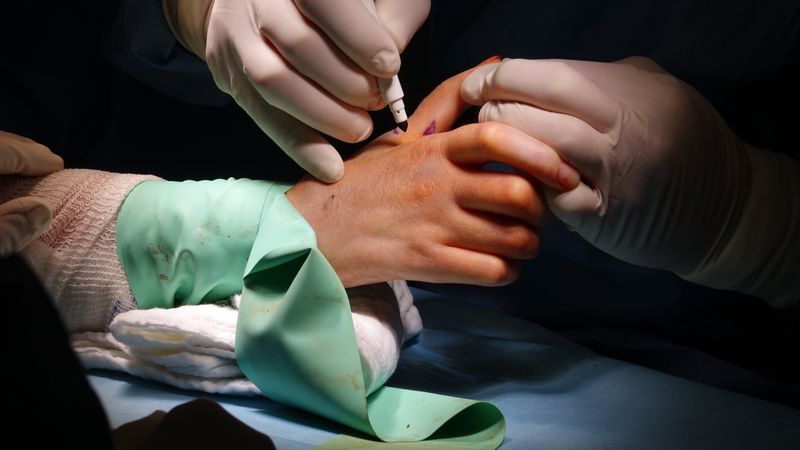
The inability to grip, write, or use a keyboard touches every corner of a claimant’s working and domestic life — and the consequences are often permanent. Harley Street Legal provides court-ready expert assessments of hand and upper limb injuries personally led by Professor Sandip Hindocha FRCS(Plast), a consultant plastic and reconstructive surgeon with subspecialist expertise in complex hand trauma, nerve repair, and tendon reconstruction. Every report is independently formed, CPR Part 35 compliant, and built to hold its ground under the most challenging cross-examination.
500+
Hand & Upper Limb Cases
20+
Years Hand Surgery Practice
48hr
Urgent Turnaround Available
100%
CPR Part 35 Compliant
INJURIES WE ARE INSTRUCTED ON
The Full Range of Hand & Upper Limb Injuries
Harley Street Legal accepts instructions across every major category of hand and upper limb injury. Whatever the mechanism, the clinical complexity, or the procedural history, we have the surgical depth to assess it properly.
Peripheral Nerve Injuries
Median, ulnar, and radial nerve injuries that compromise grip, sensation, and fine motor control. We assess nerve continuity, reinnervation potential, and the realistic ceiling of functional recovery.
Flexor & Extensor Tendon Injuries
Lacerations, complete ruptures, and adhesion formation following repair. We assess tendon glide, active range of motion recovery, and whether the surgical management met the standard expected of a competent hand surgeon.
Scaphoid & Carpal Fractures
Non-union, avascular necrosis, and post-traumatic wrist arthritis are common sequelae missed at first presentation. We quantify functional restriction, residual wrist instability, and the realistic cost of corrective intervention.
Digit Amputation & Replantation
Traumatic or surgical loss of fingers and thumbs, with or without replantation. Our assessment covers functional consequence, prosthetic options, psychological impact of visible disfigurement, and occupational disability.
Crush & Degloving Injuries
High-energy trauma producing complex tissue loss, tendon exposure, and vascular compromise. Harley Street Legal addresses the reconstruction pathway, permanent functional residual, and what a competent surgical team should have achieved.
CRPS & Chronic Pain
Complex Regional Pain Syndrome following hand injury or surgery is among the most heavily contested diagnoses in personal injury litigation. Our opinion is grounded in current Budapest Criteria and contemporaneous clinical evidence, not reported symptoms alone.
Compartment Syndrome
Delayed or missed diagnosis producing Volkmann’s ischaemic contracture and permanent forearm disability. These cases almost always carry a negligence component — we address causation, avoidable harm, and the counterfactual outcome with equal precision.
Occupational & Overuse Conditions
De Quervain’s tenosynovitis, trigger finger, and repetitive strain conditions where the claimant’s work is central to both causation and quantum. We address the evidence linking occupational exposure to the clinical presentation.
WHY SPECIALISM MATTERS
A Hand Injury Needs a Hand Surgeon’s Opinion
A general surgical expert can describe an injury. What they cannot reliably do is explain the interplay between a divided digital nerve and the intrinsic muscles it serves, or distinguish between a technically adequate tendon repair that failed and one that was never properly executed. The hand is the most mechanically complex region of the body, and the difference between an expert who operates on hands every week and one who simply knows anatomy is the difference between an opinion counsel can use and one that collapses under cross-examination.
Professor Sandip Hindocha has spent over two decades performing hand and upper limb reconstruction in both NHS trauma centres and Harley Street private practice. Every report reflects that depth of clinical experience.
Anatomy That Demands Subspecialism
27 bones, 29 joints, and more than 30 muscles operate within the hand and wrist. An expert without subspecialist training cannot reliably explain what went wrong or why the outcome fell short.
Functional Deficit, Not Just Diagnosis
A diagnosis tells the court what happened. Harley Street Legal tells the court what the claimant can no longer do, and why the gap between their pre-injury and post-injury function is permanent.
Robust Under Joint Discussion
Every conclusion in a Harley Street Legal report is reasoned, every measurement recorded. Opposing experts regularly find there is nothing to credibly challenge in a joint discussion.
No Delegation. No Template.
Every Harley Street Legal report is personally written by Professor Hindocha. No junior, no pre-populated structure. The opinion you receive is the one that will be cross-examined.
FUNCTIONAL ASSESSMENT METHODOLOGY
Measuring What the Hand Can No Longer Do
Subjective reports of pain and weakness are not enough. Harley Street Legal uses validated, objective assessment tools that produce measurable data a court can rely on and that hold their ground when the defendant’s expert challenges them.
Grip Strength (Jamar Dynamometer)
Measured bilaterally across five handle positions. Results are compared against normative data adjusted for age, sex, and dominance, giving counsel a precise percentage of function lost.
Pinch Strength & Lateral Pinch
Tip pinch, key pinch, and three-jaw chuck measured separately. Lateral pinch deficits are particularly significant for claimants whose work involves writing, tool use, or keyboard operation.
Range of Motion Goniometry
Active and passive ROM at every relevant joint, with total active motion scores per finger. Provides a reproducible baseline comparable against any post-treatment reassessment.
Two-Point Discrimination Testing
Static and moving 2PD assessed in each digital territory. In nerve injury cases this is the most clinically meaningful measure of sensory recovery, and the one most often missing from inadequate expert reports.
DASH & QuickDASH Outcome Scores
Patient-reported outcome measures recorded and included in full. The DASH score quantifies the impact of upper limb symptoms on daily and occupational activities in a validated, reproducible form.
Cold Intolerance Severity Scoring
Cold intolerance following nerve injury restricts outdoor and year-round function. We assess and score it using the CISS questionnaire, a factor routinely overlooked by experts focused solely on range of motion.
REPORT CONTENTS
Everything Your Instruction Requires
Harley Street Legal’s hand and upper limb reports are structured to address every question relevant to liability, causation, and quantum so your solicitors and counsel are never left chasing a supplementary opinion.
Clinical & Functional Assessment
Causation, Quantum & Prognosis
CLINICAL NEGLIGENCE INSTRUCTIONS
When the Surgery Made Things Worse
Clinical negligence instructions in hand surgery require an expert who can read an operative note and immediately identify whether the technique met the standard of a reasonably competent hand surgeon. Harley Street Legal is regularly instructed by clinical negligence teams across England and Wales where surgical or emergency management of a hand or upper limb injury is in dispute.
Common instruction scenarios include: failure to identify and repair a tendon laceration at first presentation; intraoperative nerve damage during carpal tunnel or Dupuytren’s release; compartment syndrome not diagnosed or decompressed in time; inadequate fracture fixation leading to malunion; and post-operative infection management that fell below an acceptable clinical standard.
COMMON INSTRUCTION SCENARIOS
CAUSATION IN HAND CLAIMS
Causation Is Rarely Simple in Hand Claims
Pre-existing degenerative change, previous injuries, and occupational wear are present in most adult hands. How much of the current presentation was caused by the index event, and how much was already there? Harley Street Legal addresses this question with precision rather than evasion.
Pre-Existing Degenerative Change
Osteoarthritis, carpal tunnel syndrome, and Dupuytren’s disease are common incidental findings. We identify what was symptomatic before the injury and what the index event materially contributed to, on a percentage basis where required.
Acceleration of Latent Pathology
Trauma can accelerate degenerative conditions that would otherwise have remained asymptomatic. We give an opinion on the natural history of the pre-existing pathology and how far the injury brought forward the claimant’s current functional position.
Contributory Causation
Where multiple events or parties contributed to the claimant’s current state, Harley Street Legal provides a reasoned apportionment. We do not leave causation as an open question for the court to guess at.
The Thin Skull & Crumbling Skull
Where the claimant’s vulnerability or pre-existing fragility amplified the injury’s consequences, we provide the clinical narrative the court needs to apply the right legal principle to the right factual framework.
FUTURE TREATMENT COSTS
The Full Cost of a Hand Injury
The general damages element of a hand injury claim is often dwarfed by the cost of future treatment and lost earning capacity. Harley Street Legal quantifies both with the specificity a quantum team can work from.
What the Cost Schedule Covers
Trades Most Affected
The highest earning-capacity losses arise in precision and manual trades. Harley Street Legal provides specific fitness-for-work opinion on each of the following:
HAND & UPPER LIMB INSTRUCTIONS
Frequently asked questions.
Yes, and we do so regularly. CRPS following hand surgery or trauma is one of the most clinically and evidentially contested conditions in personal injury litigation. Professor Hindocha’s opinion is grounded in the Budapest Diagnostic Criteria and contemporaneous clinical records, distinguishing between genuine CRPS and amplified pain behaviour where the evidence supports that distinction. We do not avoid these cases.
For most hand injuries, we recommend instructing no earlier than six months post-injury, and ideally at twelve months when the acute inflammatory phase is complete and the functional picture is settling. However, if court deadlines require an earlier assessment, Harley Street Legal will provide a current-state opinion with a clear prognosis statement, so the report remains useful both for interim hearings and at trial.
Yes. Assessing the adequacy of tendon repair is a core clinical negligence instruction type for Harley Street Legal. We review the operative note, post-operative therapy records, and the clinical outcome to determine whether the repair was performed to an acceptable standard, whether the post-operative rehabilitation was appropriately supervised, and what the claimant’s outcome should have been with correct management.
For most hand injury claims, physical examination is essential. Grip and pinch strength, range of motion, and sensory testing cannot be reliably assessed from records and photographs alone. Appointments at our Harley Street consulting rooms are typically available within five working days. We will confirm whether a desktop-only instruction is appropriate in your specific case at the point of enquiry.
As a minimum: complete GP and hospital records from the date of injury, all operative and therapy notes, A&E records, any imaging reports (X-ray, MRI, ultrasound), and clinical photographs if available. For negligence instructions, the pre-incident clinical records are equally important. Our instruction guide sets out the full record requirements to ensure your instruction is processed without delay.
INSTRUCTING SOLICITORS
Reports That Move Cases Forward
“I had a complex nerve injury case with a contested CRPS diagnosis and a defendant expert who was dismissive of the claimant’s symptoms. Harley Street Legal’s report systematically addressed the Budapest Criteria and demolished the defendant’s position at the joint discussion. The case settled at mediation for three times the pre-action offer.”
M. Okonkwo
Partner, Serious Injury Team
“Our client was a carpenter who had lost the tip of his index and middle fingers. The other party’s expert downplayed the occupational impact. Harley Street Legal provided a detailed functional assessment that specifically addressed his trade, the loss of lateral pinch, and why he could no longer operate power tools safely. The difference in quantum was substantial.”
S. Anand
Solicitor, Personal Injury
“The grip strength and range of motion data in the Harley Street Legal report was exactly what we needed to counter the defendant’s position that our client had made a full recovery. Professor Hindocha’s bilateral comparison was comprehensive and the defendant’s expert conceded the functional measurements at the joint discussion without challenge.”
R. Townsend
Senior Associate, Clinical Negligence
OUR SERVICES
Explore Our Expert Witness Services

Medical Negligence Expert Witness
CPR Part 35-compliant reports for surgical negligence and clinical malpractice claims.
Personal Injury Expert Witness
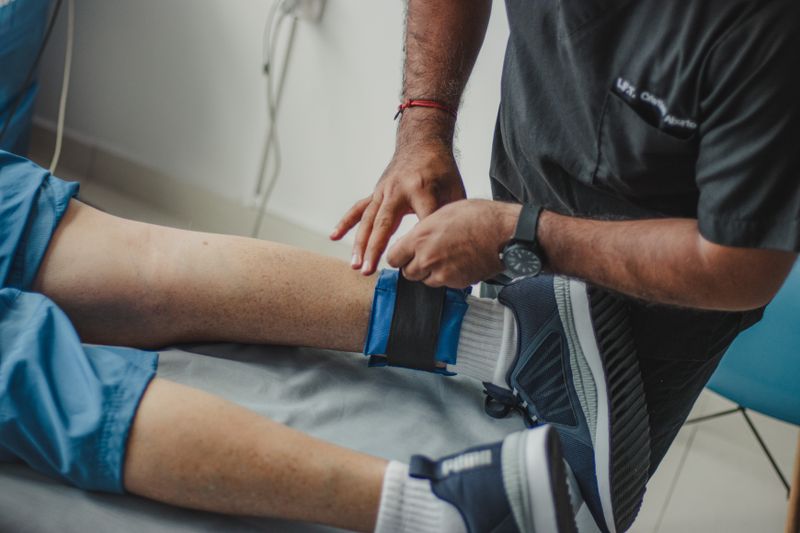
Expert surgical opinion on causation and quantum for accident, occupational, and trauma injury claims.
Scarring & Burns Expert Witness
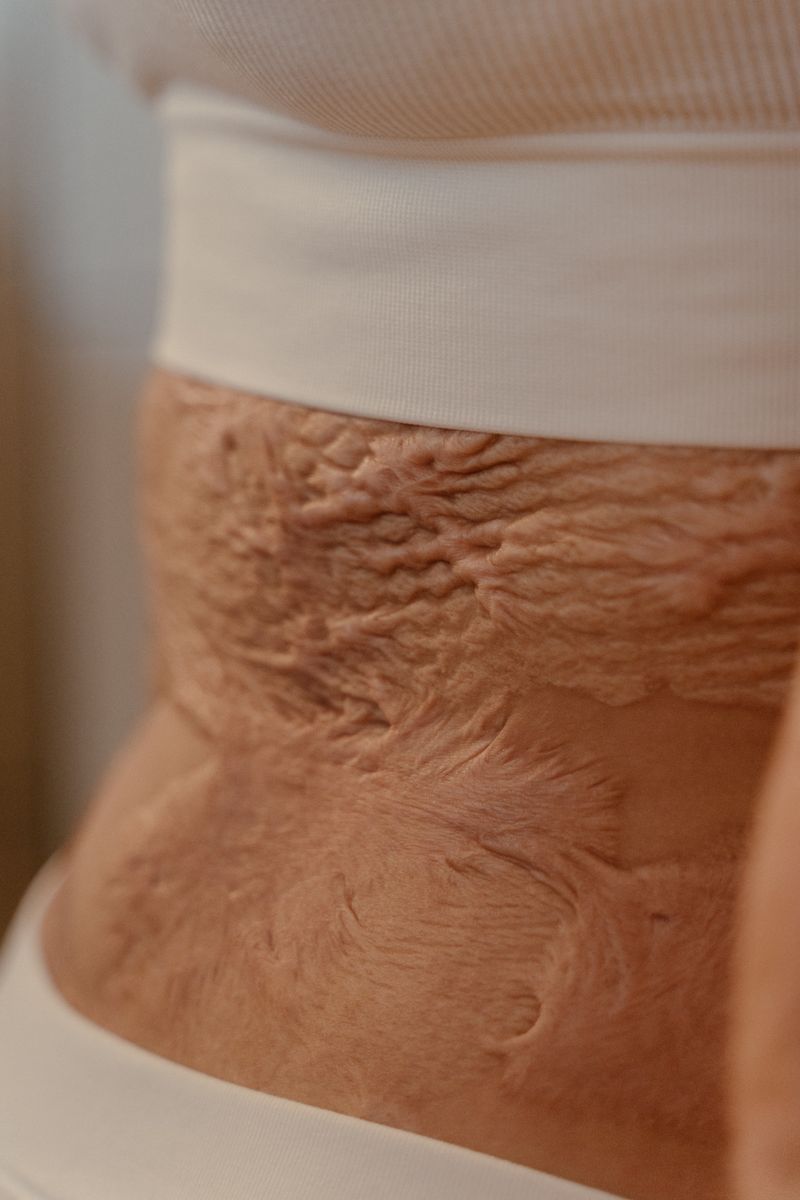
Specialist assessment of scarring, burn injuries, and disfigurement for personal injury and criminal cases.
YOUR CLIENT DESERVES AN EXPERT WHO UNDERSTANDS THE HAND
Instruct Harley Street Legal Today
Send us your case summary and court deadline. We will confirm examination availability, advise on the scope of the instruction, and return a written fee estimate within one working day.