Hindsight Bias and How Courts Judge Clinical Negligence

Hindsight bias is the tendency, once an outcome is known, to see it as more predictable than it was at the time. In a clinical negligence claim, breach of duty is judged by what a reasonably competent clinician would have done with the information available when the decision was made, so the court and every […]
Medical Records as Evidence in a Negligence Claim

In a medical negligence claim the clinical record is usually the strongest evidence either side has, because it was written at the time by people who had no reason to think the case would reach a court. That is why obtaining the medical records is the first substantive step in almost every claim, and why […]
Contributory Negligence, How It Affects a Medical Claim

Most medical negligence claims turn on a single question: did the clinician fall below the standard a reasonably competent practitioner would have met. Contributory negligence asks a second, less familiar question. Did the patient’s own conduct also play a part in the harm they suffered, and if so, should their compensation be reduced to reflect […]
Sepsis Recognition Failures and Negligence Claims

Sepsis claims are rarely a disagreement about whether sepsis is serious. They are an argument about what a clinician saw, what they wrote down, and what happened in the hours that followed. The clinical medicine is usually common ground. The chronology is not. In short: a sepsis negligence claim alleges that a deteriorating patient was […]
Cauda Equina Syndrome, and When Delay Becomes Negligence
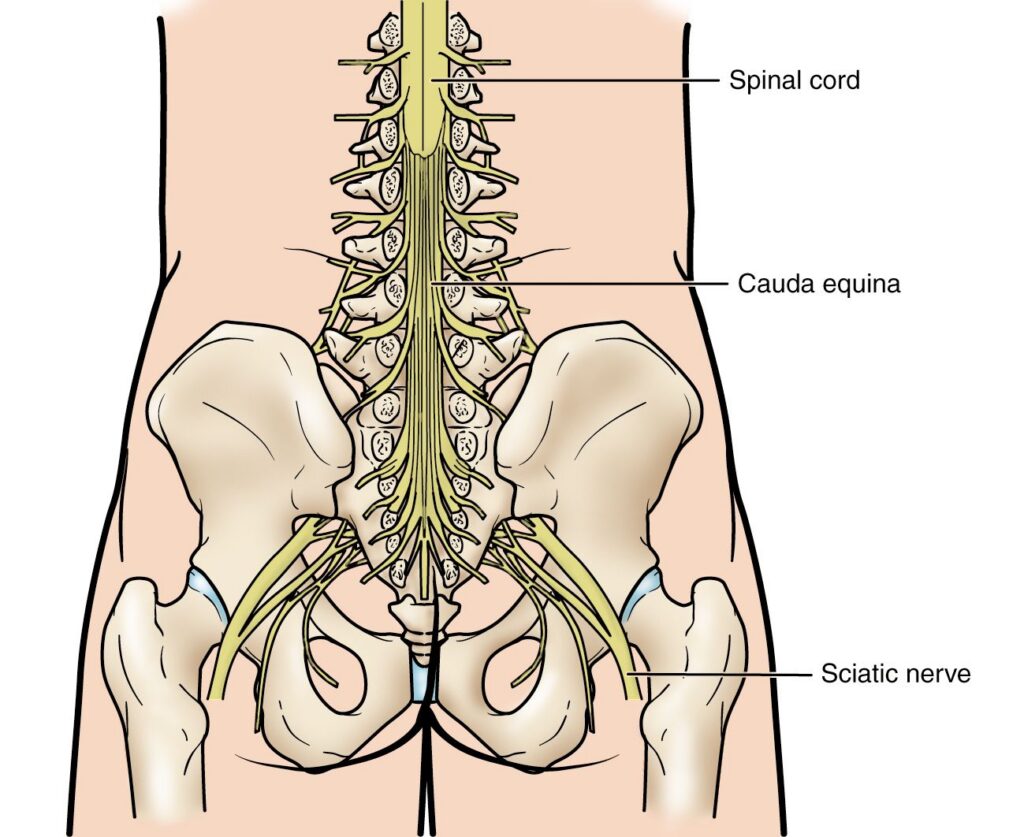
Cauda equina syndrome is one of the few conditions in medicine where a few hours can separate a full recovery from permanent bladder, bowel and sexual dysfunction. Claims arising from it rarely argue about whether the condition is serious. They argue about a timeline. In short: cauda equina syndrome is compression of the nerve roots […]
Bolam to Montgomery, How the Test for Clinical Negligence Changed

Most people who have heard of the Bolam test assume it was swept away by Montgomery v Lanarkshire in 2015. It was not. Bolam is still the test for whether a diagnosis or a course of treatment was negligent, Montgomery only changed the separate question of what a patient has to be told before they […]
Why Independent Clinical Opinion Matters in Medico-Legal Cases

A medico-legal report is worth exactly what its independence is worth. A solicitor instructing an expert is not buying support for a case. They are buying an opinion that will still stand up when the other side reads it, when it is tested in a joint statement under CPR 35.12, and when it is put […]
Understanding Causation in Complex Medico-Legal Cases

Most arguments in a clinical negligence claim are not really about whether something went wrong. They are about whether the thing that went wrong made any difference. That second question is causation, and it is where many medico-legal cases are won or lost. In short: causation asks whether the breach of duty actually caused the […]
Balance of Probabilities, the Standard Behind Medico-Legal Opinions

Most people outside the law assume a claim succeeds when the evidence proves something happened. It does not need to. A civil claim succeeds when it is more likely than not to have happened, which is a lower and quite different bar, and understanding exactly how low is essential to reading, writing or challenging a […]
When an Expert Witness Is Criticised by the Court

Judges comment on expert evidence in almost every trial that turns on it, and most of that comment is neutral. Occasionally it is not. An expert finds their reasoning, their independence or their basic competence picked apart in open court, and then set out in a judgment that anyone can read. For the expert it […]