When an Expert Witness Is Criticised by the Court
Judges comment on expert evidence in almost every trial that turns on it, and most of that comment is neutral. Occasionally it is not. An expert finds their reasoning, their independence or their basic competence picked apart in open court, and then set out in a judgment that anyone can read. For the expert it […]
Hot-Tubbing and Giving Oral Evidence as an Expert Witness

An expert witness report is written work, prepared over weeks, checked and re-checked before it is served. Giving oral evidence is none of those things. When a case reaches trial and the judge wants to hear from the experts directly, the format may not be the sequential cross examination most people picture. Under Practice Direction […]
Expert Advisor vs Expert Witness, and Why the Difference Matters

An expert advisor works for the party who instructs them. An expert witness works for the court, even though one party usually pays the bill. That single difference decides who the opinion is written for, what the other side gets to see, and whether the same person can take both roles in the same case. […]
How to Write a High Quality Expert Witness Report

A court judges an expert report on whether it can be followed and trusted, not on how forcefully it argues. Practice Direction 35 sets out, in a numbered list, what a report has to contain, and much of the criticism experts attract in judgments comes from missing items on that list rather than from getting […]
How AI Is Changing Expert Witness Reports

Most experts who write for the civil courts already have an AI tool somewhere in the workflow. Usually it is dictation software, a search box, or a spellchecker that has quietly become something more. The question the courts are asking is not whether experts use these tools. It is whether the person reading the report […]
The Role of Plastic Surgery in Limb Reconstruction
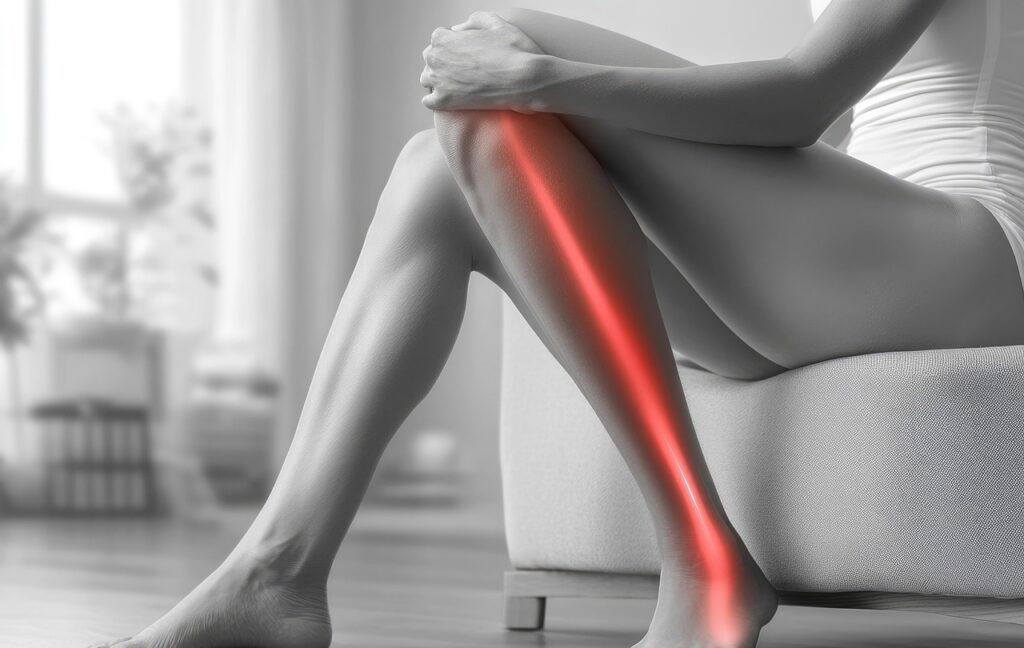
When a severely injured limb is going to be saved rather than amputated, the biggest job is often only just beginning. Restoring working skin, muscle and blood supply over exposed bone, repaired vessels or fixed fractures, sometimes across several operations, is what plastic surgery in limb reconstruction actually involves, and it is frequently where the […]
Medicolegal Challenges in Paediatric Plastic Surgery and Reconstruction

A child who is injured today will be a different size, shape and person by the time the claim is ready to settle. That single fact separates paediatric plastic surgery from adult work more than any difference in technique. A scar that looks well placed on a seven year old can sit in the wrong […]
Facial Trauma in a Medicolegal Context

A broken cheekbone and a broken wrist are both fractures, and they are not judged the same way. Facial trauma sits across two heads of loss at once. It changes how somebody eats, breathes, sees and speaks, and it changes the face other people respond to. Separating those two effects, and working out how much […]
How Correcting a Facial Deformity Is Judged Medicolegally

Correcting a facial deformity is a different category of surgery to elective cosmetic enhancement, and it’s judged by a different medicolegal standard. Where an aesthetic procedure is chosen to change a normal feature, deformity correction addresses something objectively identifiable, a cleft, a post-traumatic asymmetry, the result of disease or its treatment, and that distinction runs […]
Patient Expectations and BDD in Facial Cosmetic Surgery Claims
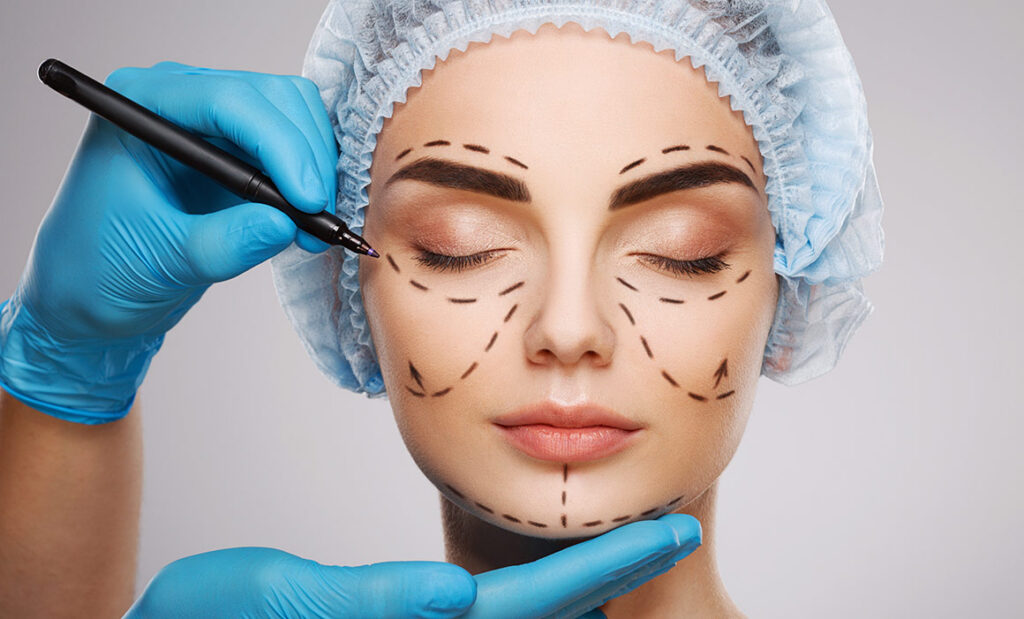
A facial cosmetic surgery claim doesn’t always involve a surgical error. Some of the most difficult cases involve a technically competent procedure that left the patient genuinely unhappy, because what they expected going in was never realistic, and nobody caught that before surgery happened. In short: patient expectations are central to facial cosmetic surgery claims […]