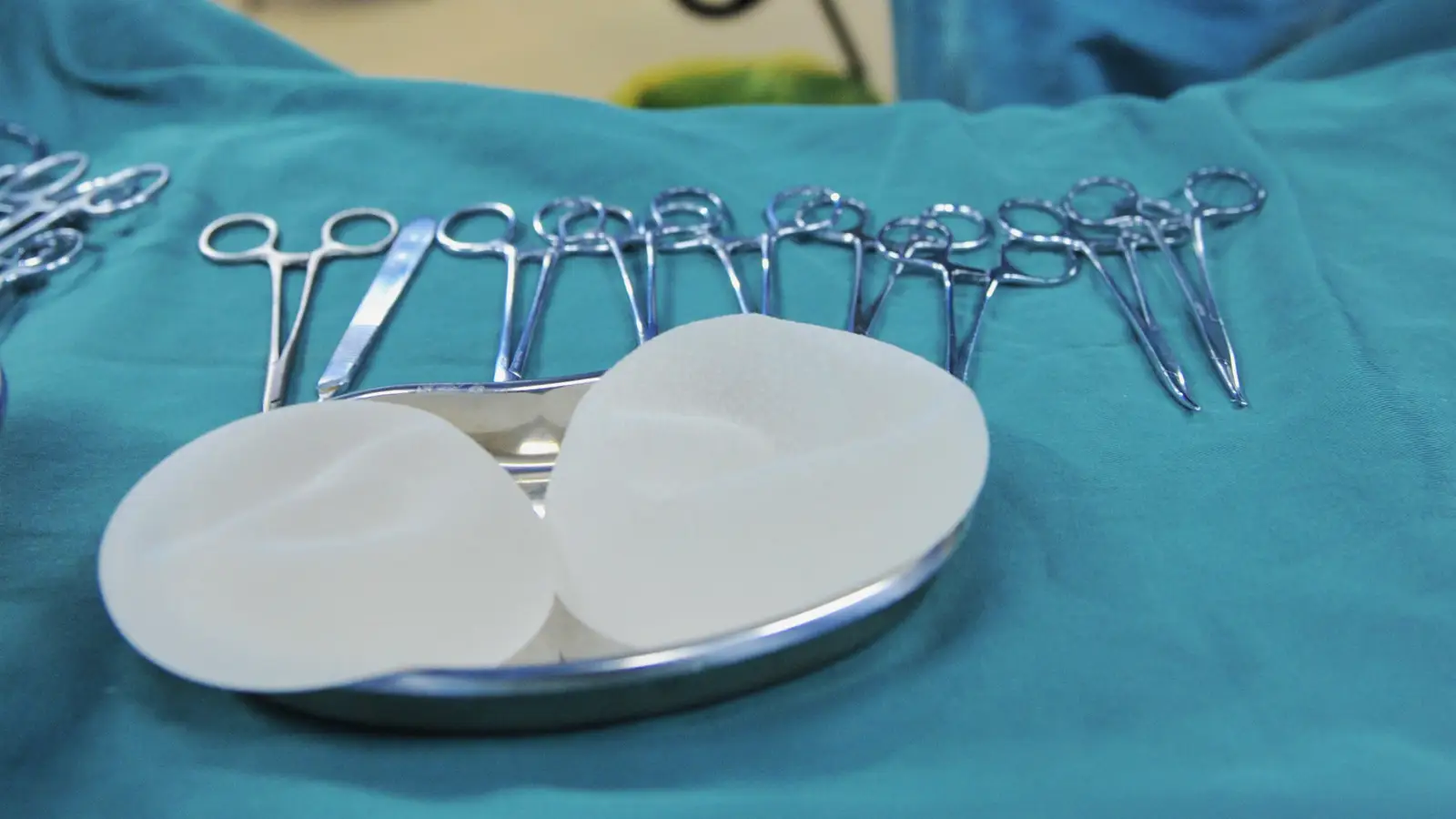
Breast implant litigation over BIA-ALCL, a rare lymphoma linked to textured implants, has run in the UK for several years and reached a resolution in 2026. For a patient who already has concerns about her implants, or needs revision surgery, the more practical question is usually different: which legal route actually fits her situation, and what does surgery after implant removal involve.
In short: a claim over BIA-ALCL against the implant manufacturer is a product liability claim, legally separate from a clinical negligence claim against a surgeon or clinic, and the two can run together where both the device and how it was used are in question. The main UK litigation against Allergan over its textured implants was resolved in April 2026 without any admission of liability. Reconstructive revision surgery after implant removal is its own surgical undertaking, and the Supreme Court has since set out what “defective” means in law for a medical device claim.
What BIA-ALCL Is and Why Allergan’s Implants Were Recalled

BIA-ALCL, breast implant associated anaplastic large cell lymphoma, is a rare lymphoma that develops around a breast implant, usually as fluid collecting near it years after surgery. The World Health Organisation recognised it as a distinct condition in 2016.
Almost all confirmed UK cases are linked to textured implants rather than smooth ones. In July 2019, Allergan voluntarily recalled its Biocell textured implants and tissue expanders worldwide, after regulators found a higher rate of BIA-ALCL associated with that surface type.
UK regulatory guidance puts the rate at roughly 1 case per 12,187 breast implants and tissue expanders sold, based on confirmed cases up to the end of 2024. Regulators describe the overall risk as low, and five-year survival is high, particularly when it is caught early.
How the Allergan Litigation Was Resolved
A number of UK claimants brought product liability claims against Allergan over its textured implants in the years following the 2019 recall. In April 2026, those outstanding claims were resolved between the parties, with no admission of liability by the manufacturer.
A resolution of this kind settles the individual claims. It does not amount to a court finding that the implants were defective, and it does not change the legal tests set out below for any future case.
Two Different Legal Routes After a Faulty Implant
A product liability claim is brought against the manufacturer under the Consumer Protection Act 1987. The claimant has to prove the device was defective, that she was injured, and that the defect caused the injury. Fault does not have to be shown, but a defect does.
A clinical negligence claim is brought against the surgeon or clinic instead. It depends on proving a breach of the duty of care, for example a failure to properly explain the risks before surgery, inadequate monitoring afterward, or a failure to act on a recall notice once one existed.
The two routes ask different questions of different people. One asks whether the product itself fell short of the safety standard the law sets. The other asks whether the clinician’s own conduct fell below what a responsible practitioner would have done.
What Counts as a Defective Device in Law
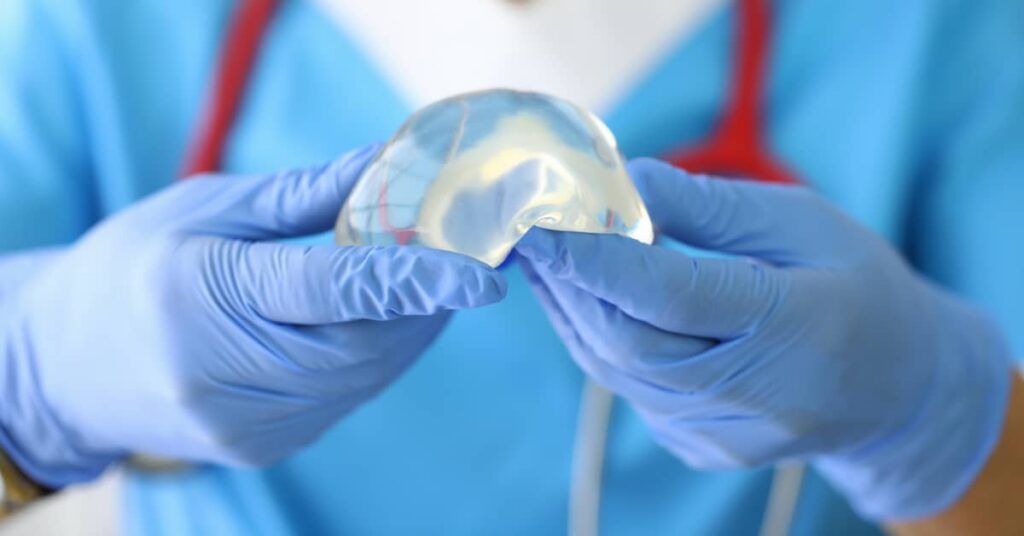
The Supreme Court considered the Consumer Protection Act’s definition of “defective” for the first time in Hastings v Finsbury Orthopaedics Ltd, a 2022 case about a metal-on-metal hip replacement. The same Act, and the same test, applies to any medical device claim, implants included.
The test is objective. It asks whether the product fell short of the safety the public at large was generally entitled to expect when it was first put on the market, not what any individual patient subjectively hoped for.
A risk that is simply inherent in a type of device does not automatically make every example of it defective. The court was also clear that a later recall is not, by itself, proof that a device was defective when it was supplied, since manufacturers can withdraw products for several reasons.
When Both Routes Can Run Together
A single case can combine a product liability claim against the manufacturer with a clinical negligence claim against the surgeon or clinic. This fits a case where the device may have had a manufacturing issue and the treating team may separately have been slow to warn, monitor, or respond once concerns became known.
The two routes also run on different time limits. A product liability claim under the Consumer Protection Act carries a 10-year long stop from when the product was first supplied, on top of the usual three-year limitation period that runs from when the claimant had enough knowledge to bring a claim. A clinical negligence claim follows the ordinary personal injury limitation rules instead.
What Reconstructive Revision Surgery Involves
Where BIA-ALCL is confirmed or strongly suspected, the recommended surgery is an en bloc capsulectomy, removing the implant and the whole surrounding capsule together as one piece, rather than taking the implant out and leaving the capsule behind.
This is a more complex operation than the original implant surgery, and it carries its own risks around bleeding, wound healing and the final shape of the breast. Patients without symptoms are not generally advised to have implants removed as a precaution.
Afterward, a patient may choose not to replace the implant, to have a new implant of a different surface type, or to move to reconstruction using the patient’s own tissue instead. Which option is appropriate is a clinical decision, not a legal one, though it often becomes part of the evidence in a claim about ongoing loss.
What an Expert Witness Assesses in These Cases
A plastic surgeon acting as an expert witness in this kind of case is not usually the right person to decide whether a device met the legal definition of “defective”. That question typically needs engineering and regulatory evidence about the product itself.
What the expert is asked instead is whether the surgical decisions were reasonable given what was known at the time, not with the benefit of hindsight: whether the choice of implant was reasonable when it was made, whether the consent discussion covered the risks that were known then, and whether monitoring and reporting obligations in place at the time were followed.
The same discipline that applies to informed consent for other high-risk procedures applies here. A consent conversation has to be judged against what a reasonable surgeon knew and discussed at that point, not against everything that has since been learned about a particular implant.
Product Liability or Clinical Negligence, the Difference at a Glance

| Product Liability Claim | Clinical Negligence Claim |
|---|---|
| Brought against the manufacturer | Brought against the surgeon or clinic |
| Must prove the device was defective and caused injury | Must prove a breach of the duty of care caused injury |
| No need to prove fault, only a defect | Fault (a substandard decision or action) must be shown |
| Typical issue, a fault in the device itself | Typical issue, inadequate warning, monitoring or response to a recall |
Frequently Asked Questions
What is BIA-ALCL and how common is it?
BIA-ALCL is a rare lymphoma that can develop around a breast implant, almost always linked to textured surfaces. UK reporting data puts the rate at roughly 1 case per 12,187 implants and tissue expanders sold, and regulators describe the overall risk as low.
Can a claim be brought against both the implant manufacturer and the surgeon?
Yes. A product liability claim against the manufacturer and a clinical negligence claim against the surgeon or clinic address different questions and can run alongside each other where the facts support both.
Does the Allergan resolution mean the implants were proven unsafe?
No. The 2026 resolution settled the outstanding individual claims. It was reached without any admission of liability by the manufacturer and is not a court finding that the implants were legally defective.
Do implants need to be removed if there are no symptoms?
Patients without symptoms are not generally advised to have implants removed as a precaution, since removal surgery is more complex and carries greater risk than the original operation. Any new lump, swelling or fluid collection around an implant should be reported promptly.
What does an expert witness assess in a breast implant claim?
A plastic surgery expert usually focuses on whether the clinical decisions, choice of implant, consent discussion, and monitoring, were reasonable given what was known at the time, rather than on whether the device itself met the legal test for a defect.
Cases involving implant litigation and revision surgery call for an expert witness who can separate the clinical questions from the product questions clearly. Prof. Sandip Hindocha provides independent reports for solicitors acting for either claimants or defendants in these cases. Instruct an expert witness to discuss a case.
Related reading
- Informed Consent for High-Risk Cosmetic Surgery Such as BBL
- Informed Consent Failures in Plastic Surgery Claims
- Plastic Surgery Negligence Explained
- CQC Registration and Premises Standards for Cosmetic Clinics as Litigation Evidence
This article is for general information and does not constitute legal or medical advice. Every case depends on its own facts and clinical records, and should be assessed individually by a suitably qualified expert.