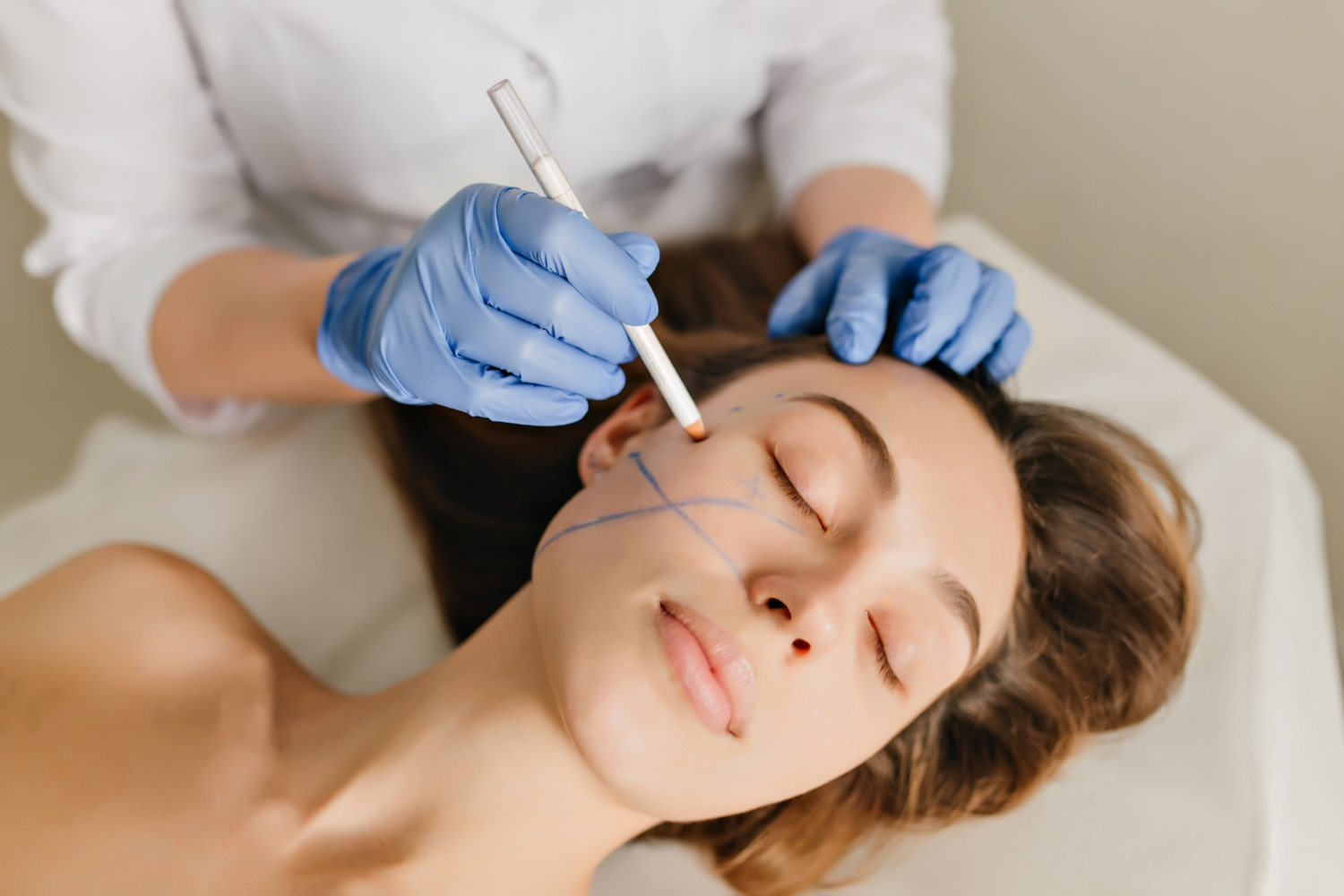
Plastic surgery negligence is when a surgeon’s care falls below the standard reasonably expected of a competent practitioner in that specialty, and that failure causes harm. It’s a legal test, not simply a judgement about how a result looks.
Being unhappy with an outcome isn’t the same as being a victim of negligence. Working out whether a case crosses that line usually needs an independent expert opinion, not a personal view about appearance.
In short: a negligence claim needs three things, a duty of care, a breach of that duty, and harm caused by the breach. A separate route exists where a surgeon failed to properly warn a patient of material risks before they consented. Most claims must be brought within three years of the surgery, or of realising something went wrong.
What Counts as Plastic Surgery Negligence
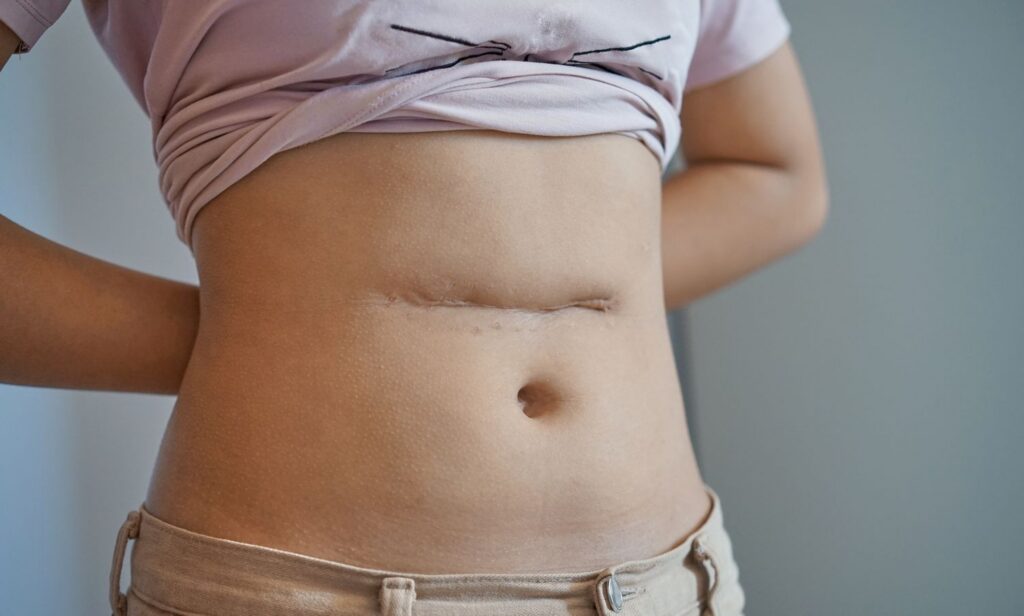
Not every poor outcome is negligent, and not every satisfied patient means the care was sound. The law asks a specific question: did the surgeon act as a reasonably competent plastic surgeon would have, in the same circumstances.
The Legal Test for Breach of Duty
Courts apply the Bolam test, whether the surgeon acted in line with a practice accepted as proper by a responsible body of similarly skilled practitioners. Following Bolitho v City and Hackney Health Authority (1997), that body of opinion must also be logically defensible, a court can reject it if it doesn’t hold up to scrutiny.
A Disappointing Result Is Not Automatically Negligence
Some variation in outcome is normal, even with entirely competent surgery. Scarring, asymmetry within an accepted range, or a result that simply doesn’t match a patient’s hopes doesn’t, on its own, prove the surgeon fell below the required standard.
Common Types of Plastic Surgery Negligence Claims
Claims tend to fall into a small number of recurring categories, though the details of each case vary widely.
Errors in Surgical Technique
This covers mistakes made during the procedure itself, avoidable nerve or tissue damage, incorrect implant sizing or placement, or a technique that fell short of what a competent surgeon would have used.
Failing to Properly Warn of Risks
A surgeon must take reasonable care to ensure a patient understands the material risks of a procedure and any reasonable alternatives, before they consent. Leaving out a risk a reasonable patient would have wanted to know about can itself found a claim, even where the surgery was technically well performed.
Poor Assessment or Aftercare
This includes operating on someone who wasn’t a suitable candidate for the procedure, or failing to recognise and treat a complication, such as infection or poor healing, promptly after surgery.
| Type | What It Typically Involves |
|---|---|
| Technique error | Avoidable damage, poor implant choice, or a flawed surgical approach |
| Consent failure | Not warning of a material risk or a reasonable alternative before surgery |
| Assessment failure | Proceeding with an unsuitable candidate for the procedure |
| Aftercare failure | Missing or mismanaging a post-operative complication |
Why Consent Matters So Much in Cosmetic Cases
Since Montgomery v Lanarkshire Health Board [2015] UKSC 11, the test for what a patient should be told is based on the patient, not the doctor. A risk is material if a reasonable person in the patient’s position would attach significance to it, or if the surgeon should have known this particular patient would.
This matters more in cosmetic surgery than in most other medical fields, because the procedure is elective. There’s no underlying illness forcing the decision, so a patient’s informed choice, based on a realistic picture of the risks, sits at the centre of whether the surgeon met their duty.
How a Plastic Surgery Negligence Claim Is Actually Proven

Because the legal test turns on professional standards rather than a patient’s own impression of the result, proving or defending a claim depends heavily on expert evidence.
The Role of Independent Expert Evidence
An independent expert reviews the medical records, the surgical technique used, and the consent process, and gives an opinion on whether a reasonably competent plastic surgeon would have acted the same way. Prof. Sandip Hindocha, a Consultant Plastic Surgeon and the UK’s National Lead Forensic Medical Examiner, prepares this kind of report through Harley Street Legal for both claimants and defendants.
How Long You Have to Make a Claim
The usual limit is three years, either from the date of the surgery or from the date the patient reasonably knew they’d suffered a significant injury caused by it. Different rules apply where the patient was under 18 at the time, or lacks the mental capacity to bring a claim themselves.
Frequently Asked Questions
Is a bad cosmetic surgery result always negligence? No. A disappointing outcome only amounts to negligence if the surgeon’s care fell below the standard a reasonably competent practitioner would have provided, and that failure caused the harm. Many poor results happen despite entirely competent surgery.
What is a material risk, and why does it matter? A material risk is one a reasonable patient would want to know about before deciding whether to go ahead. Since Montgomery v Lanarkshire, failing to disclose one can support a claim even if the surgery itself was performed correctly.
How long do I have to bring a claim? Usually three years from the surgery, or from when you reasonably became aware something had gone wrong, whichever is later. Exceptions apply for claimants who were under 18 at the time or lack capacity to bring a claim.
Do I need an independent expert report to bring a claim? In practice, yes. Because the test depends on professional standards, an independent expert’s opinion is usually central to showing whether the care fell below what was reasonably expected.
Can I still claim if I signed a consent form? Yes, that’s possible. A signed form shows consent was given, but not that it was properly informed. If a material risk wasn’t disclosed beforehand, a claim may still be possible.
Prof. Hindocha accepts instructions in plastic surgery and cosmetic surgery negligence claims from solicitors and insurers across the UK. Details of his expert witness services and how to instruct him are on the instruction page.
Related reading
- Informed Consent Failures in Plastic Surgery Claims
- Patient Expectations and BDD in Facial Cosmetic Surgery Claims
- When a Surgical Scar Becomes a Negligence Claim
- All medicolegal articles
This article is general information about how plastic surgery negligence claims work and is not a substitute for legal advice on a specific case.