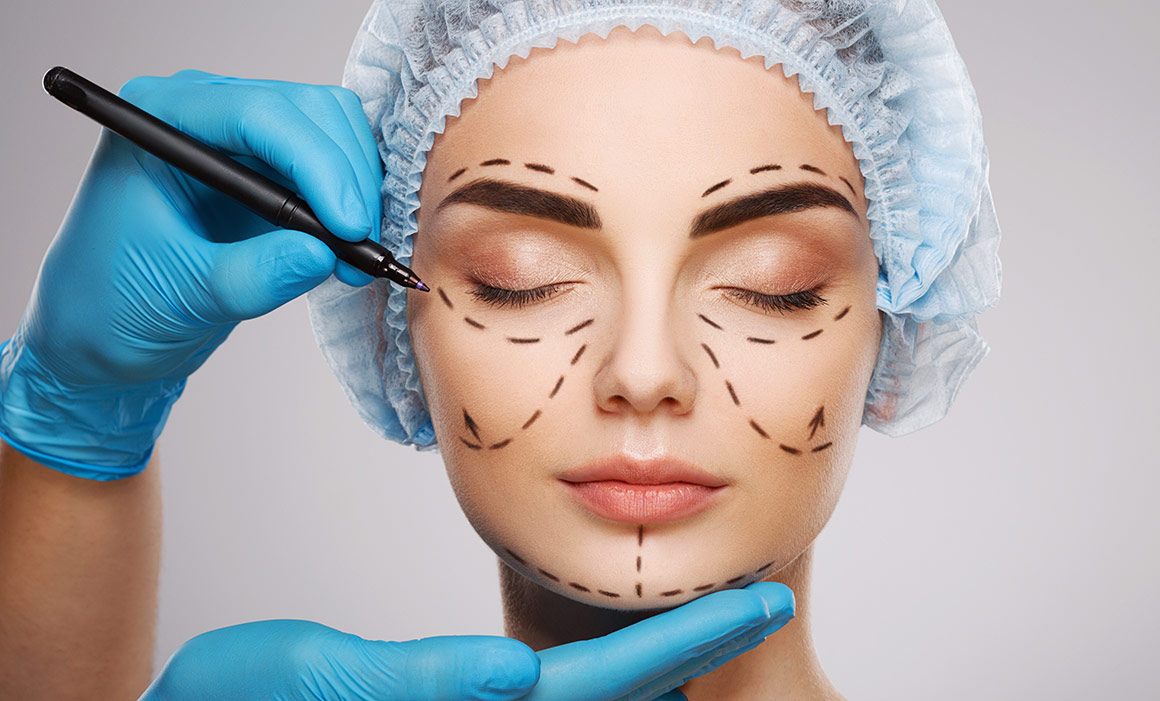
A facial cosmetic surgery claim doesn’t always involve a surgical error. Some of the most difficult cases involve a technically competent procedure that left the patient genuinely unhappy, because what they expected going in was never realistic, and nobody caught that before surgery happened.
In short: patient expectations are central to facial cosmetic surgery claims because satisfaction, not just technical outcome, is what the patient is actually paying for. Where those expectations were unrealistic and never properly addressed, or where an underlying condition like body dysmorphic disorder went unrecognised, the claim often turns on whether the surgeon took reasonable steps to identify and manage that before agreeing to operate, not on how the surgery itself was performed.
Prof. Sandip Hindocha, a Consultant Plastic Surgeon who prepares plastic surgery expert witness reports for solicitors and insurers, is regularly asked to assess whether a patient’s expectations were properly explored and managed, and whether red flags for an underlying psychological condition were reasonably identifiable at the time.
Why Patient Expectations Carry So Much Weight in Cosmetic Surgery
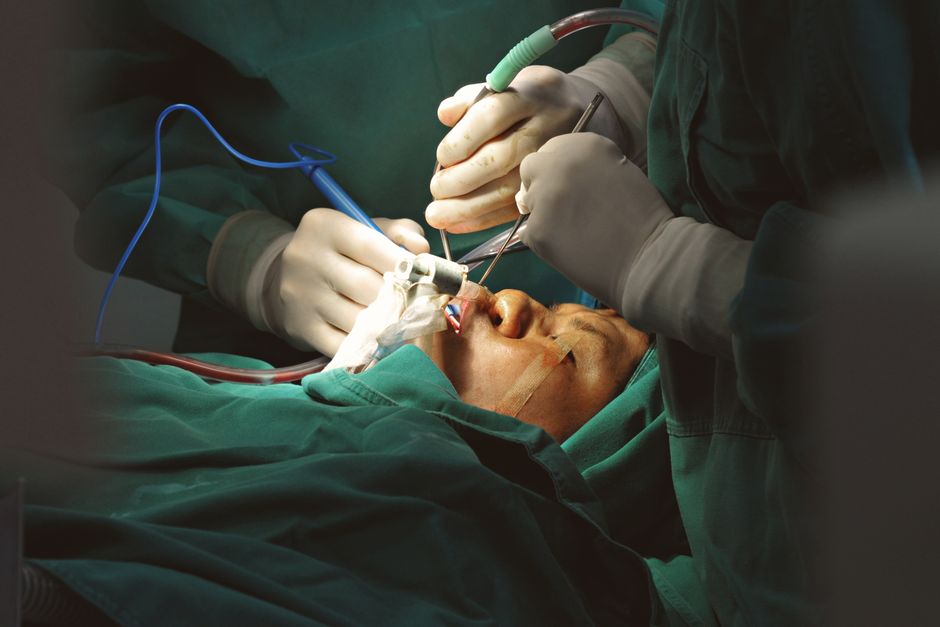
In reconstructive or necessary surgery, success is measured largely against a clinical benchmark, did the repair heal, is function restored. In elective facial cosmetic surgery, success is measured against the patient’s own idea of what they wanted to look like, which makes the pre-operative conversation about expectations part of the clinical work itself, not a separate customer-service step.
A rhinoplasty that a surgeon considers an excellent technical result can still be a failure from the patient’s perspective if it was never going to achieve what they actually pictured, and that gap is where a significant share of cosmetic surgery complaints and claims originate.
What Body Dysmorphic Disorder Actually Is
Body dysmorphic disorder, or BDD, is a recognised psychiatric condition involving a preoccupation with a perceived flaw in appearance that is minor or entirely unnoticeable to others, causing significant distress or interference with daily life. It’s not vanity or ordinary self-consciousness, and it tends not to resolve with cosmetic treatment, the preoccupation often shifts to a new perceived flaw instead.
This matters directly to facial cosmetic surgery because the condition is substantially more common in patients seeking that surgery than in the general population, and it’s one of the clearest predictors of a patient remaining dissatisfied no matter how the procedure actually goes.
Why Surgeons Are Poor at Spotting It Without Formal Screening
The instinct to rely on clinical experience and “knowing it when you see it” turns out to be a genuinely unreliable way to identify BDD. A study across facial plastic and oculoplastic surgery clinics screened 597 patients with a validated questionnaire and found 9.7% screened positive for BDD, well above what’s typically reported in the general population.
More strikingly, surgeons in the same study clinically suspected BDD in only 4% of patients overall, and among the patients who actually screened positive, surgeons correctly identified fewer than one in twenty using clinical judgement alone. Structured screening, not experience or intuition, is what reliably catches these cases.
The Screening Tools Available
The Body Dysmorphic Disorder Questionnaire, the tool used in the study above, is a short, validated self-report screen originally developed for dermatology settings and widely adapted for cosmetic practice. Other tools such as the Cosmetic Procedure Screening Scale exist alongside it, each designed to flag patients who warrant a more thorough psychological assessment before a decision to operate is made.
None of these tools diagnose BDD on their own, they flag a patient for further assessment, ideally by a psychologist or psychiatrist rather than the operating surgeon, who isn’t trained to make that diagnosis.
What Professional Standards Actually Require

The Royal College of Surgeons’ professional standards for cosmetic surgery require surgeons to make active attempts to identify the psychologically vulnerable patient, and where there are concerns, to defer or avoid operating pending a psychological assessment.
The standards set out specific trigger points, expectations that remain unrealistic after proper discussion, a history of repeated procedures with ongoing dissatisfaction, or a disclosed history of psychological difficulty. They also require a two-stage consultation process with a cooling-off period of at least two weeks, and are explicit that where surgery won’t actually benefit the patient, the surgeon should decline and discuss alternatives instead.
How Unrealistic Expectations Become a Negligence Claim
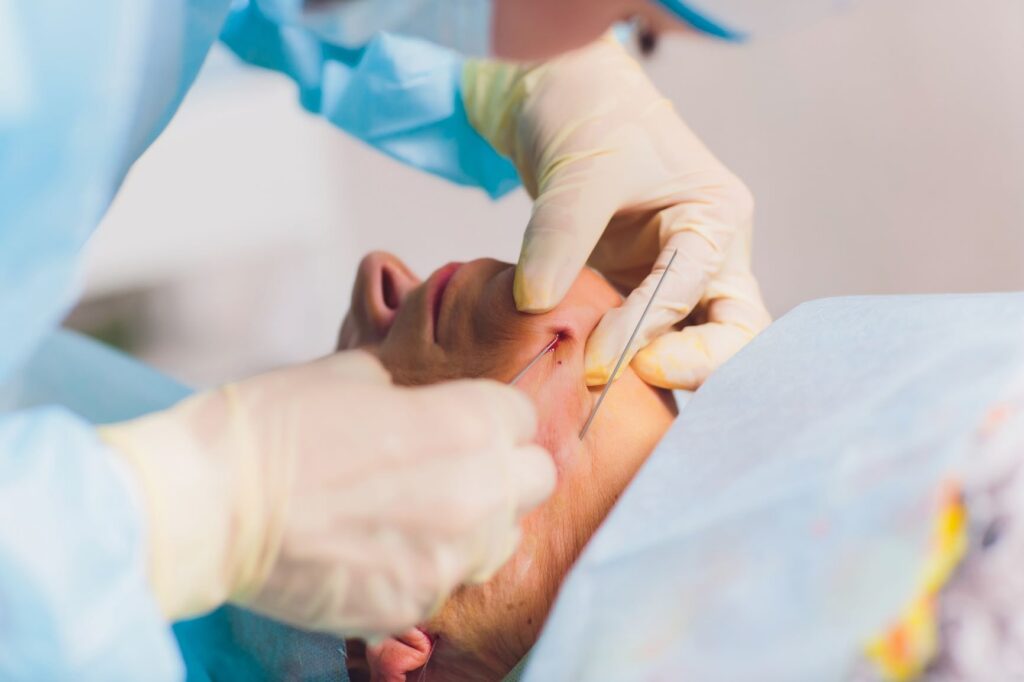
A claim built on expectations rather than surgical error usually rests on one of a few grounds. That the expectations discussed in consultation were obviously unrealistic and never meaningfully challenged, that recognisable warning signs, repeat procedures, disproportionate distress about a minor feature, fixation on a single detail, were present and not screened for, or that the required cooling-off period and multi-stage consultation process simply wasn’t followed.
Marketing materials and before-and-after galleries that set an unrealistic bar, and are never corrected against that specific patient’s anatomy in consultation, also feature regularly in these claims, since they shape expectations just as much as anything said in the room.
How This Differs From an Informed Consent Claim
This overlaps with, but isn’t the same as, an informed consent failure. Consent is about whether the risks and alternatives of a procedure were properly explained. An expectations or BDD-based claim is about whether the surgeon should have recognised that this patient wasn’t a suitable candidate for the procedure at all, regardless of how clearly the risks were later disclosed.
The two frequently arise from the same set of consultation notes, and a full medical negligence claim may raise both, but they’re assessed against different questions and different evidence.
What a Medicolegal Expert Report Needs to Address
A report in this area has to reconstruct what was actually documented about the patient’s expectations at each consultation, whether any recognised warning signs for BDD or unrealistic expectations were present in the notes or history, and whether the surgeon’s response to those signs, screening, referral, deferral, or proceeding regardless, matched what professional standards require.
Where the surgery was technically sound, the report also has to explain clearly why a good technical outcome doesn’t answer the actual question in these claims, since the alleged failure sits earlier in the process, in the decision to operate at all, or in how that decision was reached.
This is the standard the report has to meet under CPR Part 35 if it’s challenged, with every conclusion tied to what the consultation records actually show rather than a general impression of the patient formed after the fact.
Frequently Asked Questions
Can a claim succeed if the surgery itself was performed well? Yes. Where the alleged failure is that the patient should never have been operated on in the first place, because of unrealistic expectations or an unrecognised underlying condition, a technically good result doesn’t resolve the claim, since that isn’t the question being asked.
How common is body dysmorphic disorder in people seeking facial cosmetic surgery? Studies using validated screening tools have found rates approaching one in ten patients in some facial plastic and oculoplastic surgery clinics, notably higher than typical general population estimates, and considerably higher than what surgeons tend to identify through clinical judgement alone.
Are surgeons required to screen every patient for BDD? There’s no single universal mandate, but professional standards do require surgeons to actively look for signs of psychological vulnerability and unrealistic expectations, and to defer or decline surgery where those concerns aren’t resolved, using screening tools or referral where appropriate.
What counts as a warning sign that expectations may be unrealistic? A fixation on a minor or barely visible feature, distress that seems disproportionate to how the feature actually looks, a history of repeated cosmetic procedures without lasting satisfaction, and expectations that don’t shift even after a clear, honest discussion of what the surgery can realistically achieve.
Is this the same as an informed consent claim? No, though the two often arise from the same case. Consent concerns whether risks and alternatives were properly explained. An expectations or BDD-based claim concerns whether the patient should have been assessed as unsuitable for the procedure before consent was ever discussed.
Prof. Hindocha prepares CPR Part 35 compliant expert reports on facial cosmetic surgery claims involving patient expectations and psychological suitability for solicitors and insurers across England and Wales. Details of his plastic surgery expert witness services and how to instruct him are on the instruction page.
Related reading
- Informed Consent Failures in Plastic Surgery Claims
- How Correcting a Facial Deformity Is Judged Medicolegally
- Plastic Surgery Negligence Explained
This article is general information about how patient expectations and body dysmorphic disorder are assessed in facial cosmetic surgery claims, and is not a substitute for legal or medical advice on a specific case.