
Most plastic surgery negligence claims that succeed aren’t really about the surgeon’s hands. They’re about the conversation that happened, or didn’t happen, before the patient ever went into theatre. Informed consent failures are one of the most common grounds for a claim in cosmetic and reconstructive surgery alike.
In short: informed consent isn’t satisfied by a signed form or a list of risks read aloud. Since the Supreme Court’s ruling in Montgomery v Lanarkshire, the legal test is whether the surgeon discussed the risks this particular patient would genuinely find significant, and any reasonable alternatives, including not having the procedure at all. Cosmetic surgery carries extra safeguards on top of that, a proper reflection period, consent taken by the treating surgeon personally, and outcome expectations addressed honestly rather than left to marketing.
Prof. Sandip Hindocha, a Consultant Plastic Surgeon who prepares plastic surgery expert witness reports for solicitors and insurers, is regularly asked to assess whether the consent process behind a claim met that standard, or fell short of it.
What Informed Consent Actually Requires Since Montgomery
Before 2015, consent was largely judged by whether a responsible body of medical opinion would have disclosed the same risks the doctor did. The Supreme Court’s ruling in Montgomery v Lanarkshire Health Board changed that for good.
The test now turns on “material risk”, a risk that a reasonable person in the patient’s position would be likely to attach significance to, or that the surgeon knows this particular patient would. That’s a patient-centred standard, not a professional-consensus one, and it can’t be satisfied by simply working through a generic list of complications.
It also requires discussing reasonable alternatives, including the alternative of doing nothing, so the patient can genuinely weigh the decision rather than being steered toward a single option presented as the obvious choice.
Why Cosmetic and Plastic Surgery Consent Carries Extra Requirements
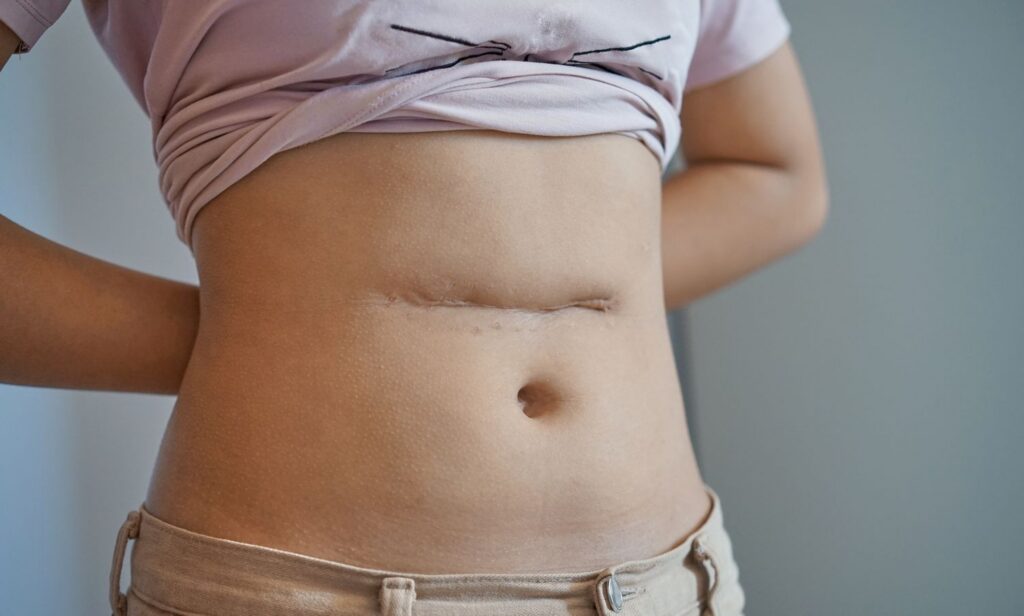
Elective cosmetic surgery is treated differently to necessary medical treatment precisely because it’s elective. There’s no underlying condition forcing the decision, which means the consent process has to work harder to establish that the patient genuinely wants this, rather than has simply been persuaded into it.
A Genuine Reflection Period
Guidance for doctors offering cosmetic interventions calls for giving patients time for reflection so they can make an informed decision, rather than consenting and operating in the same visit, or under any kind of time pressure created by a promotional offer.
The Operating Surgeon, Not a Sales Team, Must Take Consent
Consent has to come from the doctor who will actually perform the procedure, not a patient coordinator, a clinic salesperson, or a consultation conducted mostly to close a sale. Delegating this conversation away from the treating surgeon is a recurring theme in claims involving cosmetic clinics.
Discussing the Alternative of Not Operating
Because there’s rarely a medical necessity driving a cosmetic procedure, honestly discussing the option of not proceeding, and what the patient can realistically expect if they don’t, is part of a genuine consent conversation rather than an afterthought.
What Material Risk Means in Practice for a Cosmetic Procedure
For a facelift, a rhinoplasty or an augmentation, the risks a reasonable patient would attach significance to go well beyond infection and bleeding. Visible scarring, asymmetry, the realistic chance of needing a revision procedure, and how the result may age or change over years, are all the kind of thing a patient choosing an elective procedure for appearance would clearly want to weigh.
The GMC’s own guidance on the Montgomery ruling is explicit that this isn’t about bombarding a patient with every conceivable risk, it’s a genuine, individualised conversation about what matters to that patient specifically, including what outcome they most fear and what they’re actually hoping the procedure will change.
Common Informed Consent Failures That Lead to a Claim
Several patterns recur across cosmetic and plastic surgery negligence claims. Outcome expectations shaped largely by marketing images or before-and-after galleries, and never properly corrected in the actual consultation, is one of the most common.
Risks mentioned only in passing or buried in a lengthy generic consent form, without a real conversation about which of them mattered for that specific patient’s anatomy, occupation or lifestyle, is another. So is a consultation that moves straight from assessment to booking without a documented reflection period, and consent effectively taken by clinic staff rather than the operating surgeon.
Time-limited discounts or incentives that create pressure to decide quickly sit particularly badly against a process that’s supposed to give the patient genuine space to reflect, and can themselves become part of what a claim points to as evidence the consent process fell short.
Why a Signed Form Isn’t the Same as Informed Consent
A signature on a consent form is evidence a document was signed, not proof that a genuine, individualised conversation took place. Courts and experts look past the form to what was actually discussed, when, and by whom, which is why a detailed contemporaneous note of the consultation matters far more to a claim than the form itself.
A generic pre-printed list of risks, ticked and signed minutes before a procedure, is exactly the pattern that tends to unravel once it’s tested against what a reasonable patient in that position would have needed to know.
How These Claims Are Judged

Because the test is what this particular patient would have found significant, a large part of a consent claim turns on the patient’s own evidence about what they were and weren’t told, tested against whatever contemporaneous documentation exists. Where the notes are thin, the patient’s account carries considerably more weight.
Causation still has to be established too, the claimant generally has to show that, properly informed, they would have made a different decision, not simply that the disclosure itself was inadequate in the abstract.
What a Medicolegal Expert Report on Consent Needs to Address
A report in this area has to reconstruct what was documented at each stage of the consultation process, assess whether the risks and alternatives discussed matched what a reasonable practitioner would cover for that specific procedure and patient, and address whether the additional safeguards expected for cosmetic procedures, reflection time, consent taken by the operating surgeon, were actually followed.
Where a medical negligence claim also involves a poor surgical outcome, the report has to separate what a properly informed patient might have accepted as a known risk from what represents a genuine failure in the consent process itself, since these are legally distinct questions even when they arise from the same procedure.
This is the standard the report has to meet under CPR Part 35 if it’s challenged, every conclusion tied to what the records actually show rather than a general impression of how the consultation is likely to have gone.
Frequently Asked Questions
Is a signed consent form enough to prove informed consent was given? No. A signed form shows a document was signed, not that a genuine, individualised conversation about material risks and alternatives took place. What was actually discussed, and when, matters far more than the form itself.
What is the material risk test from Montgomery v Lanarkshire? It requires disclosing any risk a reasonable person in the patient’s position would attach significance to, or that the doctor knows this specific patient would, along with reasonable alternatives including not proceeding. It replaced the older standard based on what other doctors would typically disclose.
Why does cosmetic surgery have extra consent requirements compared to necessary medical treatment? Because it’s elective, there’s no underlying medical need forcing the decision, so the process has to work harder to confirm the patient genuinely wants the procedure, including a proper reflection period and consent taken personally by the operating surgeon rather than clinic staff.
Can I bring a claim if I was told about the risk that actually happened, but not clearly enough? Potentially, yes. The question isn’t simply whether a risk was mentioned somewhere, but whether it was properly explained as something a reasonable patient in your position would want to weigh, and whether you were given a genuine opportunity to reflect and ask questions.
Does a consent claim require proving the surgery itself was performed badly? No, these are separate questions. A consent claim can succeed even where the surgery was technically competent, if the patient wasn’t properly informed of a material risk that then materialised, and can show they would have made a different decision had they known.
Prof. Hindocha prepares CPR Part 35 compliant expert reports on informed consent and plastic surgery negligence claims for solicitors and insurers across England and Wales. Details of his plastic surgery expert witness services and how to instruct him are on the instruction page.
Related reading
- Patient Expectations and BDD in Facial Cosmetic Surgery Claims
- Plastic Surgery Negligence Explained
- How Correcting a Facial Deformity Is Judged Medicolegally
This article is general information about how informed consent is assessed in plastic surgery claims, and is not a substitute for legal or medical advice on a specific case.