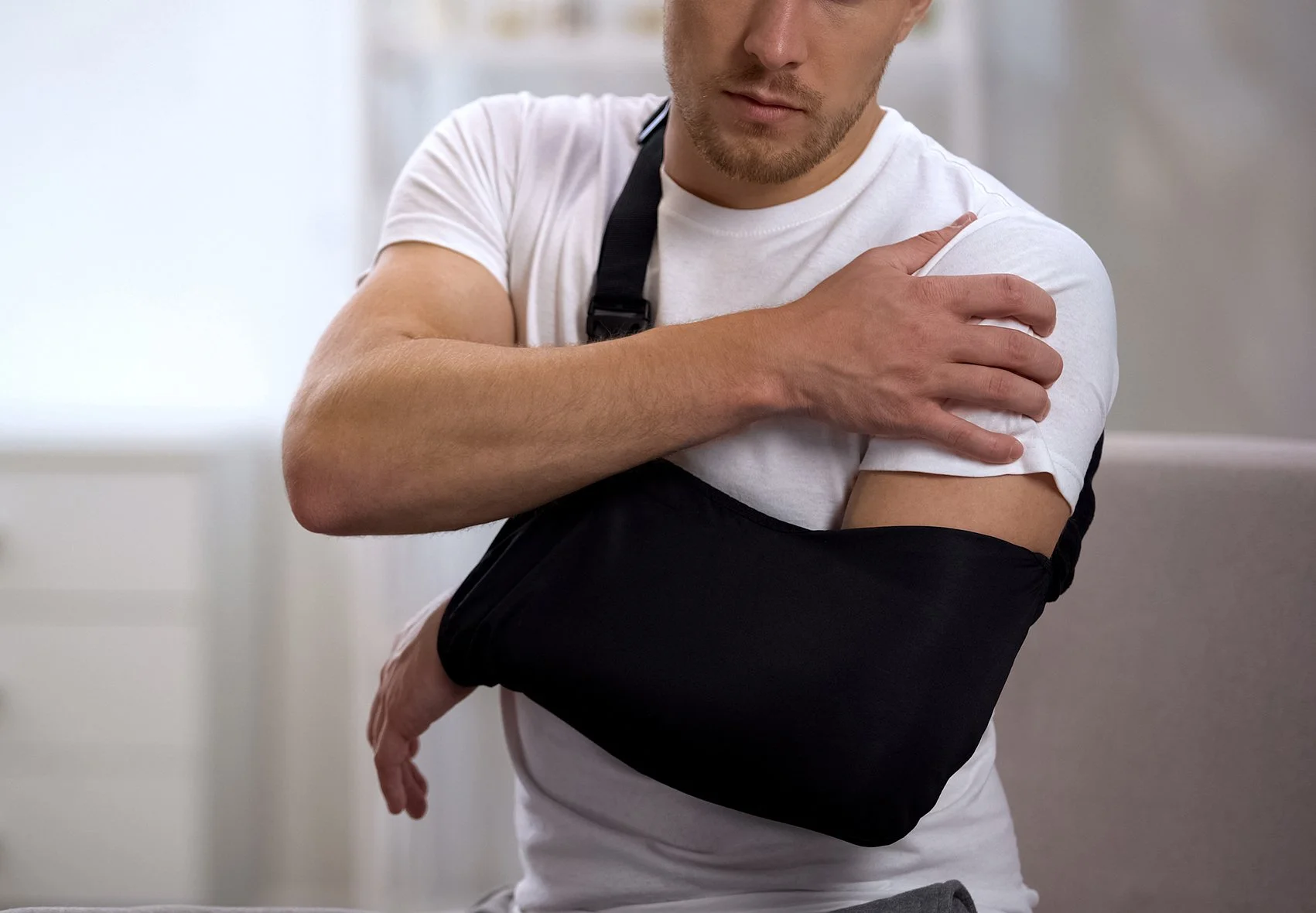
Outcomes following upper limb injuries vary enormously, and that variation is exactly what a medicolegal report has to explain. Two people with the same fracture can end up with very different function, and the difference usually comes down to nerve involvement, complications, treatment timing and individual healing, not just the initial injury.
Prof. Sandip Hindocha, a Consultant Plastic Surgeon who prepares hand and upper limb expert witness reports for solicitors and insurers, assesses that variation directly, using validated outcome measures and clinical examination rather than a general impression of how the injury looks.
In short: outcome after an upper limb injury is measured through a combination of patient-reported questionnaires, objective clinical testing, and, where a nerve is involved, a formal grading of the nerve damage itself. These findings feed directly into causation, prognosis, and the eventual valuation of a claim under the Judicial College Guidelines, so how and when they’re gathered matters as much as the numbers themselves.
What Counts as a Good Outcome After an Upper Limb Injury
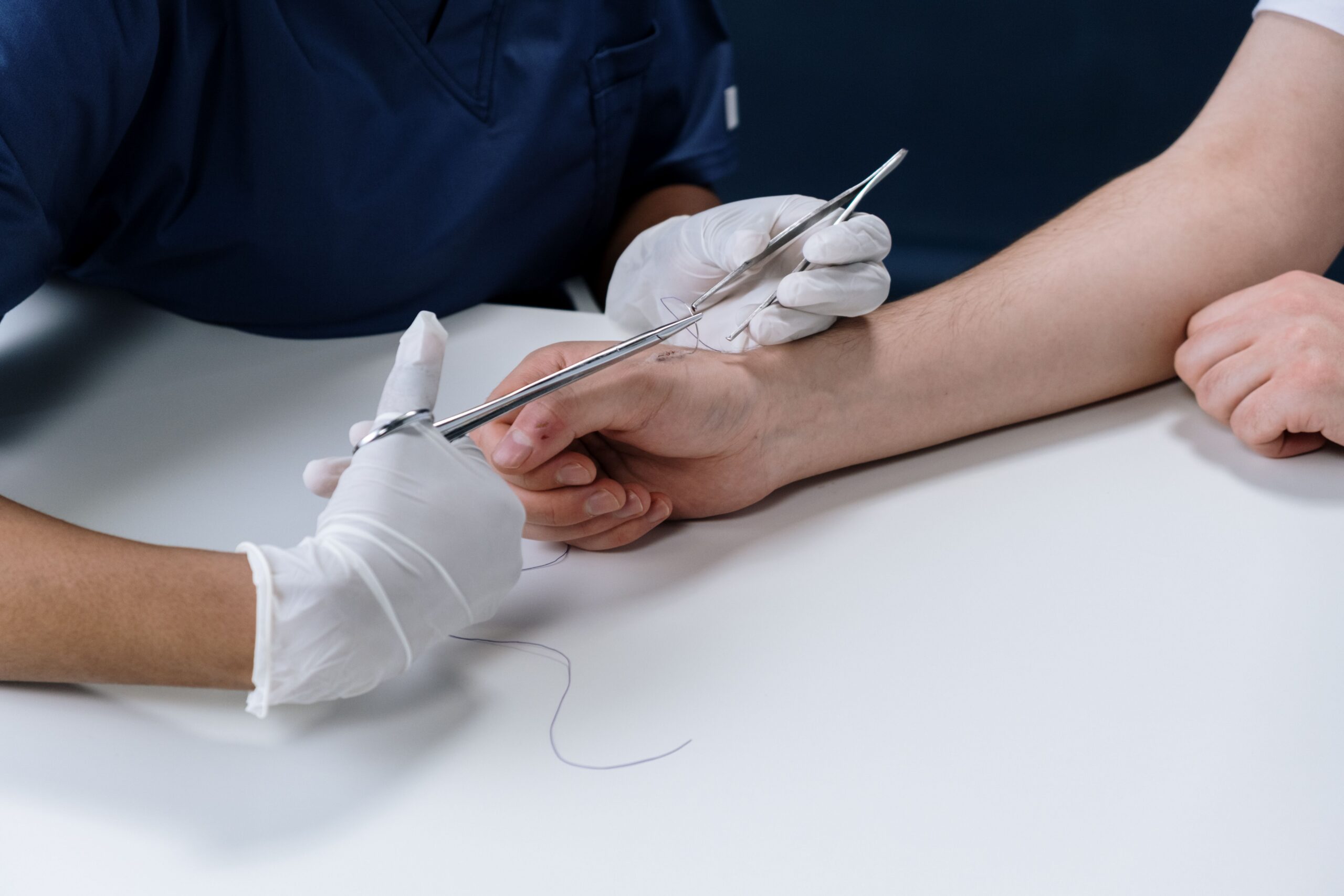
A good outcome isn’t simply the absence of ongoing pain. It’s the return of function needed for the specific person’s work, hobbies and daily tasks, which is why two claimants with similar injuries can have genuinely different outcomes even after comparable treatment.
A concert pianist and an office worker with the same distal radius fracture may both regain a similar range of movement on paper, yet the pianist’s outcome is poor if fine motor control hasn’t returned. This is why outcome assessment in a medicolegal context always looks beyond the X-ray.
How Clinicians Measure Upper Limb Outcomes
Rather than relying on a subjective description, clinicians use validated tools that turn function and disability into a repeatable score. Several of these are used together in a thorough report, since each captures a slightly different part of the picture.
The DASH and QuickDASH Questionnaires
The Disabilities of the Arm, Shoulder and Hand questionnaire, usually called the DASH, is a 30-item, patient-completed survey covering the whole upper limb. It scores from 0, meaning no disability, to 100, meaning the most severe disability.
Because it covers the whole limb rather than one joint, the DASH is useful where an injury affects more than one region, for example a fracture with an associated nerve injury. QuickDASH, an 11-item shortened version, is often used where a faster assessment is needed without losing much accuracy.
Region-Specific Tools Like the Patient-Rated Wrist Evaluation
Where the injury is confined to one joint, a region-specific tool often picks up change more precisely than the DASH. The Patient-Rated Wrist Evaluation, a 15-item questionnaire covering pain and function, is the most established example for wrist and distal radius injuries.
It’s also scored from 0 to 100, with a lower score meaning less disability, and research has found it more sensitive than the DASH at picking up genuine clinical change in the later stages of recovery, from around six months onward.
Grip Strength, Range of Motion and Objective Testing
Patient-reported scores are paired with objective, hands-on testing, grip and pinch strength measured with a dynamometer, and range of motion measured with a goniometer, usually compared against the uninjured side.
The British Society for Surgery of the Hand has long recommended combining movement, power, sensibility, pain and activities of daily living in a single assessment, precisely because no single measure tells the whole story on its own.
| DASH / QuickDASH | Patient-Rated Wrist Evaluation | |
| Scope | Whole upper limb | Wrist and hand specifically |
| Items | 30 (or 11 for QuickDASH) | 15 |
| Score range | 0 to 100 | 0 to 100 |
| Best used for | Injuries affecting multiple regions or joints | Isolated wrist and distal radius injuries, later-stage recovery |
Why Nerve Injuries Are Assessed Differently
Where a nerve is damaged alongside a fracture or laceration, outcome depends heavily on the type and severity of that nerve injury, not just the bone or soft tissue healing. Two established classifications are used to describe it.
The Seddon Classification
Seddon’s system divides nerve injury into three types. Neurapraxia is a mild, temporary conduction block that usually recovers fully within weeks. Axonotmesis involves damage to the nerve fibre itself but leaves the surrounding structure intact, giving a reasonable prognosis for recovery.
Neurotmesis is complete disruption of the nerve, and recovery without surgical repair is unlikely.
The Sunderland Grading System
Sunderland’s five-grade system builds on Seddon’s categories with more detail about which layers of connective tissue around the nerve are damaged. Grades I and II broadly match neurapraxia and axonotmesis, while grades III to V subdivide neurotmesis by how much internal structure survives.
The higher grades generally need surgical intervention, since the nerve’s own regenerating fibres are prone to misdirection without it. This grading is what allows a report to explain not just that a nerve was injured, but why the prognosis is what it is.
When Complex Regional Pain Syndrome Complicates Recovery
Complex Regional Pain Syndrome, or CRPS, is a recognised complication that can follow even a relatively minor upper limb injury. It causes pain, swelling, altered skin colour and temperature, and stiffness that’s disproportionate to the original injury.
CRPS is classified as Type 1, where no identifiable nerve damage is present, or Type 2, where it follows a confirmed nerve injury. Its course is genuinely unpredictable, some cases resolve within months, others become chronic, and research into its long-term outcome in the upper limb has found that delayed diagnosis tends to worsen the eventual result.
Because CRPS has few objective clinical findings and no single diagnostic test, a claim involving it depends heavily on a careful, well-documented expert assessment, since the condition itself is easy for an opposing expert to dispute without one.
Why Timing Matters in Assessing Outcome and Prognosis
An outcome assessed too early can understate or overstate the eventual result. Swelling, stiffness and pain in the weeks after an upper limb injury often improve substantially over the following months, so an early snapshot risks becoming outdated before the claim is even resolved.
Most upper limb injuries reach a reasonably stable functional plateau somewhere between six months and two years, depending on the structures involved, though nerve injuries can continue to change for considerably longer. A properly timed assessment, sometimes supported by a second review closer to trial, gives a far more reliable basis for prognosis than a single early examination.
How Outcome Evidence Feeds Into the Judicial College Guidelines
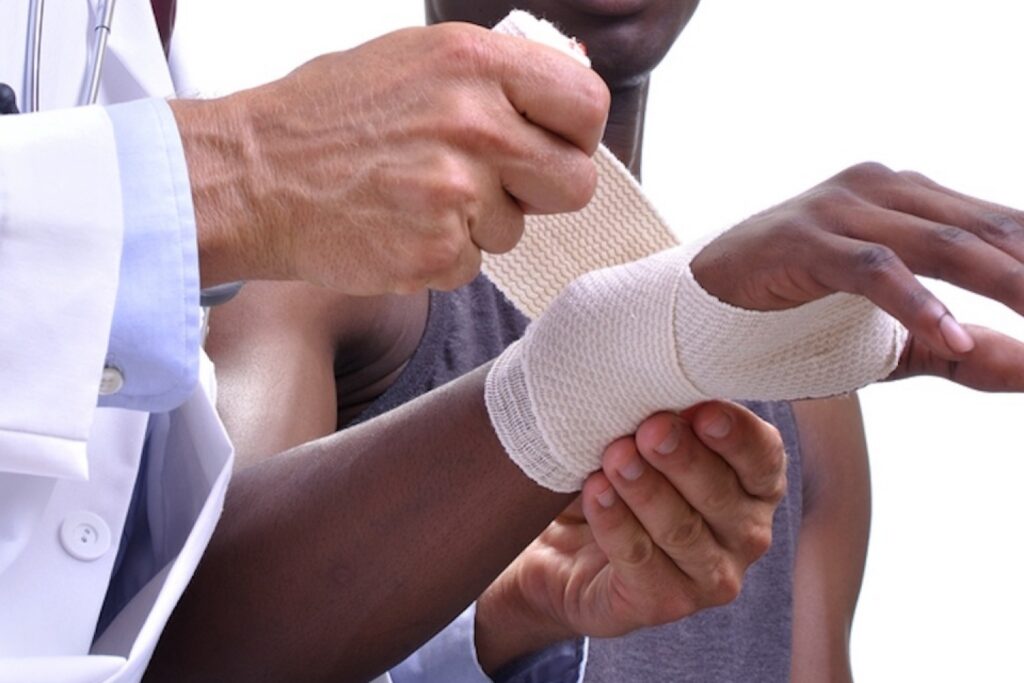
The Judicial College Guidelines value arm, wrist and hand injuries through separate chapters, each broken into bands running from minor injuries that recover fully to the most serious injuries falling just short of amputation. Where a case sits within its chapter depends on the outcome evidence, not the mechanism of injury alone.
A wrist fracture that heals with a full range of movement and no lasting disability sits at the lower end of its bracket. The same fracture complicated by nerve damage, malunion, or CRPS, with documented, measured loss of function, moves the case toward the top of the range or into a more severe bracket entirely.
The 18th edition of the guidelines, published in April 2026, uplifted the figures across every chapter for inflation without changing the underlying banding structure. For the current bracket values, always check the latest published edition directly, since a figure quoted online can already be an edition out of date.
Occupational Impact and Future Loss of Earnings
For claimants whose work depends on manual dexterity, grip strength or repetitive upper limb movement, outcome evidence does more than support a general damages figure. It’s also the foundation for any claim for future loss of earnings.
Where a solicitor argues that reduced grip strength or restricted movement will affect someone’s ability to do their job long term, that argument is converted into a lump sum using the Ogden Tables, actuarial tables published by the Government Actuary’s Department that convert an annual loss into a present-day capital sum based on age, life expectancy and the applicable discount rate.
The Ogden Tables only work from a figure for the loss itself, so the underlying medical evidence about what the claimant can no longer physically do is what the whole calculation depends on.
How an Expert Witness Report Addresses Outcome
In practice, a hand and upper limb expert examines the claimant, applies the relevant outcome measures, and compares the result against the uninjured side and against what would normally be expected for an injury of that type and severity.
The report sets out current function, whether further improvement is likely, and what, if any, ongoing treatment or adaptation the claimant will need. Where negligent treatment, rather than the original injury, is said to have caused a worse outcome, as can arise in medical negligence claims involving missed compartment syndrome or a poorly managed fracture, the report also has to separate what the original injury would have caused from what the alleged negligence added.
This is what allows a report to withstand scrutiny under CPR Part 35 if the other side challenges it, since every conclusion is tied back to a specific, repeatable measurement rather than a general clinical impression.
Frequently Asked Questions
What outcome measures are used for upper limb injury claims? The most common are the DASH or QuickDASH questionnaire, region-specific tools such as the Patient-Rated Wrist Evaluation, and objective testing of grip strength and range of motion, usually combined in a single assessment.
How long does it take for an upper limb injury to reach a stable outcome? Many injuries reach a reasonably stable functional plateau within six months to two years, though this varies by structure involved. Nerve injuries in particular can continue changing for longer, which is why timing an assessment matters.
Does a poor outcome always mean higher compensation? Generally yes, since the Judicial College Guidelines value arm, wrist and hand injuries according to documented, permanent loss of function as well as the initial injury. But this depends on the evidence supporting that loss being properly measured and recorded.
What is Complex Regional Pain Syndrome and how does it affect a claim? CRPS is a pain condition that can follow an upper limb injury, causing pain, swelling and stiffness out of proportion to the original injury. Because it has few objective clinical findings, claims involving it usually need particularly thorough expert evidence.
Can a nerve injury improve after the initial prognosis? It can, especially with lower-grade injuries under the Seddon and Sunderland classifications, where recovery can continue gradually over many months. This is one reason a second review closer to trial is sometimes recommended.
Prof. Hindocha prepares CPR Part 35 compliant hand and upper limb expert reports for solicitors and insurers across England and Wales, using validated outcome measures alongside clinical examination. Details of his hand and upper limb expert witness services and how to instruct him are on the instruction page.
Related reading
- The Medicolegal Challenges of Nerve Injuries in the Upper Limb
- How Nerve Injuries in Children Are Assessed and Managed
- How the Decision Between Limb Salvage and Amputation Is Judged
This article is general information about how outcomes following upper limb injuries are clinically assessed and is not a substitute for legal or medical advice on a specific case.