An acid attack or assault scarring claim can usually be brought in one of two ways, through the Criminal Injuries Compensation Authority (CICA) or through a civil claim against the person responsible, and the two routes work quite differently. Most survivors pursue CICA, because it doesn’t depend on the attacker ever being caught or having any money to pay compensation.
Prof. Sandip Hindocha, a Consultant Plastic Surgeon who prepares scarring and burns expert reports, assesses the resulting disfigurement for both CICA applications and civil claims following an assault, including attacks involving corrosive substances.
In short: a CICA claim is funded by the state, doesn’t require a conviction, and is valued against a fixed government tariff. A civil claim is brought against the person responsible, is valued under the same Judicial College Guidelines bands used in any personal injury case, and only makes practical sense if the attacker can actually be identified and can pay. Both generally need to be started within a matter of years of the attack, so getting advice early matters.
What Counts as an Acid Attack or Assault Scarring Claim
An acid attack scarring claim covers any lasting disfigurement caused by a deliberate attack with a corrosive substance, whether that’s a targeted acid throwing, a domestic assault, or an attack in a public place. The same principles extend to scarring from other forms of assault, stabbing, glassing, or a beating that leaves lasting marks.
What matters for a claim isn’t the label given to the attack, it’s that the scarring resulted from a deliberate crime of violence, which is what brings it within the criminal injuries scheme, alongside any civil claim against the person who caused it.
The Two Routes to Compensation

Survivors of an acid attack or a violent assault generally have two separate ways to seek compensation, and they aren’t mutually exclusive.
Claiming Through the Criminal Injuries Compensation Authority
CICA is a government scheme that compensates victims of violent crime in England, Scotland and Wales. You don’t need to know who attacked you, and you don’t need them to be convicted, but the incident does need to have been reported to the police.
Claiming Directly Against Your Attacker
A civil claim is brought directly against the person who caused the injury. It only makes practical sense where the attacker is known and either has personal assets or is covered by insurance, since a court judgment is worthless if there’s nothing to enforce it against.
| Feature | CICA claim | Civil claim |
| Claim made against | The state, via the government scheme | The individual responsible |
| Conviction required | No, but the incident must be reported to police | No, but liability must be proved on the balance of probabilities |
| Compensation actually available | Fixed by the government tariff | Depends entirely on the attacker’s means or insurance |
| How scarring is valued | Tariff of injuries under the Criminal Injuries Compensation Scheme | Judicial College Guidelines bands |
| General time limit | Two years from the incident | Three years from the assault |
Do You Need a Conviction to Claim
No. Neither route requires the attacker to be convicted, or even identified, in the case of a CICA claim. What CICA does require is that the incident was reported to the police as soon as reasonably possible, and that the applicant cooperates with the police investigation.
A civil claim is different, there you’re suing a specific, named individual, so you do need to know who they are, even though you don’t need a criminal conviction against them to succeed.
How CICA Values Scarring and Disfigurement
CICA compensation is assessed against a published tariff of injuries, with scarring and disfigurement valued according to how visible and permanent it is, and its overall cosmetic effect, rather than an open-ended assessment like a civil claim.
Because the tariff is periodically reviewed and the exact figures attached to each level can change, the current bracket for a specific injury is always worth checking directly on the official CICA guidance on GOV.UK rather than relying on a figure quoted elsewhere.
Time Limits for a CICA Application
The general rule is that an application has to be made within two years of the incident. For a child victim, the clock generally doesn’t start until they turn 18, so the deadline usually falls on or around their 20th birthday.
CICA can extend this deadline in exceptional circumstances, but that’s discretionary and isn’t guaranteed, so it’s worth getting advice as soon as possible after an attack rather than assuming there’s plenty of time.
What Can Reduce or Refuse a CICA Award
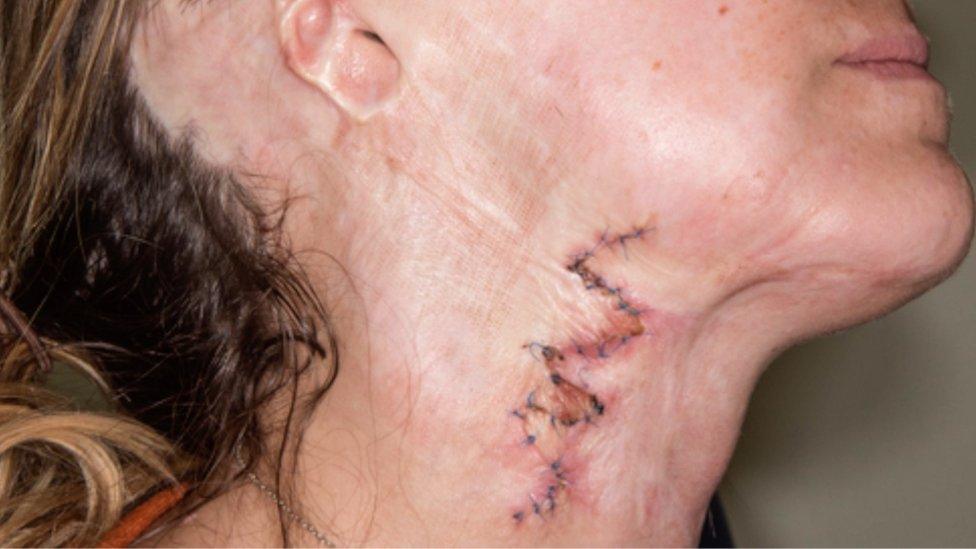
A handful of factors can reduce or defeat an otherwise valid claim. Reporting the incident late, without a good reason, can count against an applicant, as can a failure to cooperate with the police or with CICA’s own enquiries.
An applicant’s own unspent criminal convictions can also lead to a reduced or withheld award, depending on how serious and how recent they are, even where the applicant is genuinely the victim of the attack being claimed for.
Immediate Treatment and Why It Matters to a Claim
The NHS advises a report, remove, rinse response to a corrosive substance attack, calling 999, removing any contaminated clothing or jewellery, and irrigating the affected area with clean water for at least 20 minutes.
Most acid attack injuries are minor burns treated at a local A&E, while more severe injuries are transferred to a specialist burns centre. Beyond the immediate medical importance, that treatment record becomes part of the evidence a claim is later built on, so it matters that it’s sought promptly and documented properly. Where an assault also causes blunt injury to the face, the fracture pattern and any nerve involvement have to be assessed alongside the scarring, as set out in facial trauma in a medicolegal context.
The Psychological Impact of Acid and Assault Scarring
Acid Survivors Trust International, the UK-based charity supporting survivors of corrosive substance attacks, describes psychological trauma, economic hardship and social isolation as common consequences of an attack, often needing ongoing counselling alongside physical treatment.
As covered in facial scarring and disfigurement claims, this psychological dimension isn’t a side issue, it’s central to how both a CICA award and a civil claim are actually valued, which is why documented psychological evidence matters as much as the physical scar itself.
The Law Restricting the Sale of Corrosive Substances
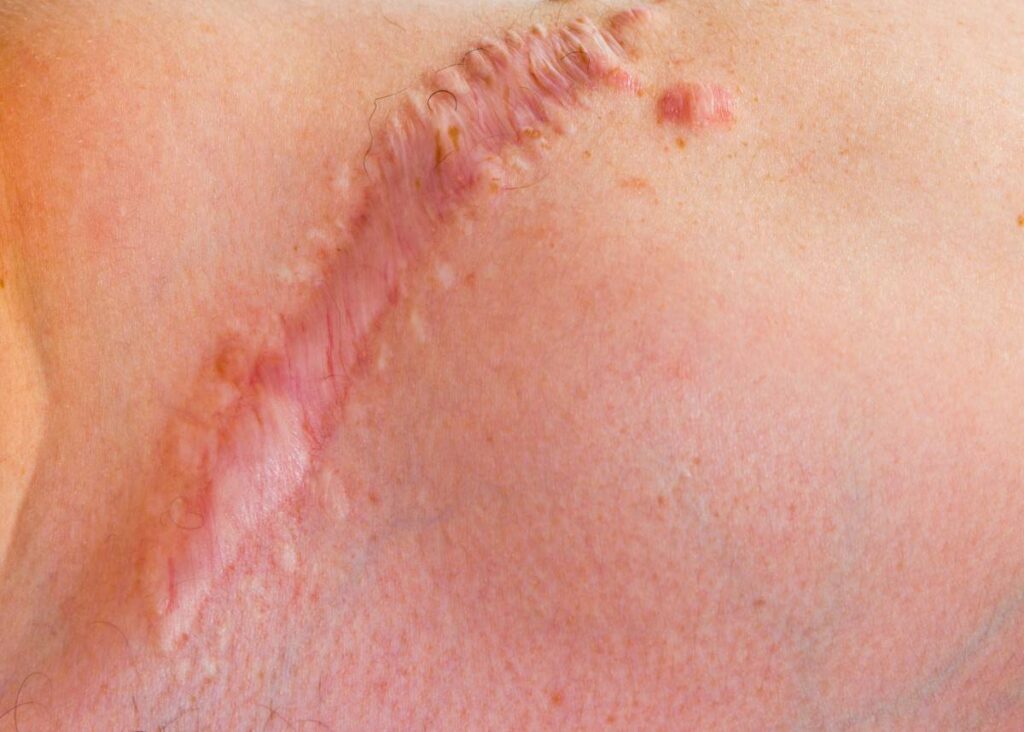
The Offensive Weapons Act 2019 tightened the rules around corrosive substances, making it an offence to sell one to anyone under 18, banning delivery of the most harmful products to residential addresses, and making it a criminal offence to carry a corrosive substance in public without good reason.
These restrictions don’t change how a compensation claim is assessed, but they’re part of the wider legal context a solicitor may reference in a case, particularly where the source of the corrosive substance is in dispute.
Why Independent Expert Evidence Still Matters
Even in a tariff-based CICA claim, independent medical evidence is what confirms the level of scarring, its permanence and its psychological impact, which is what the award actually turns on rather than a general description of the attack.
In a civil claim the stakes are higher still, since the case has to be argued within a Judicial College Guidelines band rather than a fixed tariff entry. Details of Prof. Hindocha’s scarring and burns expert witness work are on the site. Where the injury required reconstructive surgery to a limb, the timing and choice of procedure form part of what the expert has to address, which is covered in the role of plastic surgery in limb reconstruction.
Frequently Asked Questions
Can I make an acid attack scarring claim without knowing who attacked me? Yes, through CICA. You don’t need to identify or convict your attacker, but you do need to have reported the incident to the police.
How long do I have to bring an acid attack scarring claim? Generally two years from the incident for a CICA application, and generally three years for a civil claim, though extensions are sometimes possible in genuinely exceptional circumstances.
Will my own criminal record affect a CICA claim? It can. Unspent convictions can lead to a reduced or withheld award depending on their seriousness and how recent they are, even where you’re clearly the victim of the attack you’re claiming for.
Can I claim from both CICA and the person who attacked me? In principle yes, though any civil damages awarded are generally offset against a CICA payment for the same injury to avoid double recovery.
Do I need an expert witness for an acid attack scarring claim? In practice, yes. Independent medical evidence on the scarring’s severity, permanence and psychological impact is what both CICA and a civil court actually rely on to value the claim.
Prof. Hindocha prepares scarring and burns expert reports for CICA applications and civil claims arising from assault, working alongside solicitors handling both personal injury and criminal injury cases across England and Wales. Details of how to instruct him are on the site. Examinations are held at clinic venues across England, including Northampton.
Related reading
- Facial Scarring and Disfigurement Claims
- How the Judicial College Guidelines Value Scarring
- How Are Scarring Claims Valued in the UK?
- Forensic surgery expert witness reports
This article is general information about how acid attack and assault scarring claims are assessed and is not a substitute for legal advice on a specific case.