
A contracture scarring claim is different from an ordinary scarring claim because the harm isn’t just how the scar looks, it’s what it stops the joint underneath from doing. Scar tissue that tightens across a joint can permanently restrict movement, and that loss of function is assessed and valued separately from the scar itself.
Contracture most often follows a burn, but it can develop after any deep wound or surgical incision that crosses a joint and heals with excess, inelastic scar tissue. The tighter the scar, the more it pulls, and the less the joint underneath can move.
In short: where scarring crosses a joint, hand, elbow, neck, or knee, and restricts movement, that functional loss is assessed as its own head of loss on top of the cosmetic assessment of the scar. A contracture scarring claim needs evidence of measured range of motion, not just a description of how the scar looks, and treatment often involves a combination of physiotherapy, splinting, and sometimes surgical release.
Prof. Sandip Hindocha, a Consultant Plastic Surgeon with over two decades of experience in burn injury and scar reconstruction, assesses contracture as part of his scarring and burns expert witness practice.
What Causes Contracture Scarring

Contracture happens when scar tissue matures in a way that’s shorter and less elastic than the skin it replaced. As the scar tightens over the weeks and months after injury, it pulls the surrounding tissue with it.
This process happens to some degree in most healing wounds. It only becomes a contracture in the clinical sense when it crosses a joint and restricts how far that joint can move.
Why Contractures Form Over Joints
Joints are the areas most at risk because they need the skin around them to stretch every time they bend. Fingers, elbows, armpits, the neck, hips, and knees are all common sites, and a contracture at any of these can affect everyday movement in a way that scarring elsewhere on the body doesn’t.
Burns near a joint carry the highest risk, but the same mechanism can follow a deep laceration, a surgical incision, or any wound that’s allowed to heal under tension rather than being actively stretched during recovery.
How Contracture Affects Function, Not Just Appearance
A contracture scar can look relatively minor and still cause a significant functional problem, or look extensive and have a comparatively modest effect on movement. The two things don’t automatically track each other, which is exactly why they’re assessed separately.
Loss of function can mean an inability to fully straighten a finger, raise an arm above the head, or turn the neck. In more severe cases it can affect grip strength, walking, or the ability to return to a physical job.
Treatment Options for Contracture Scarring
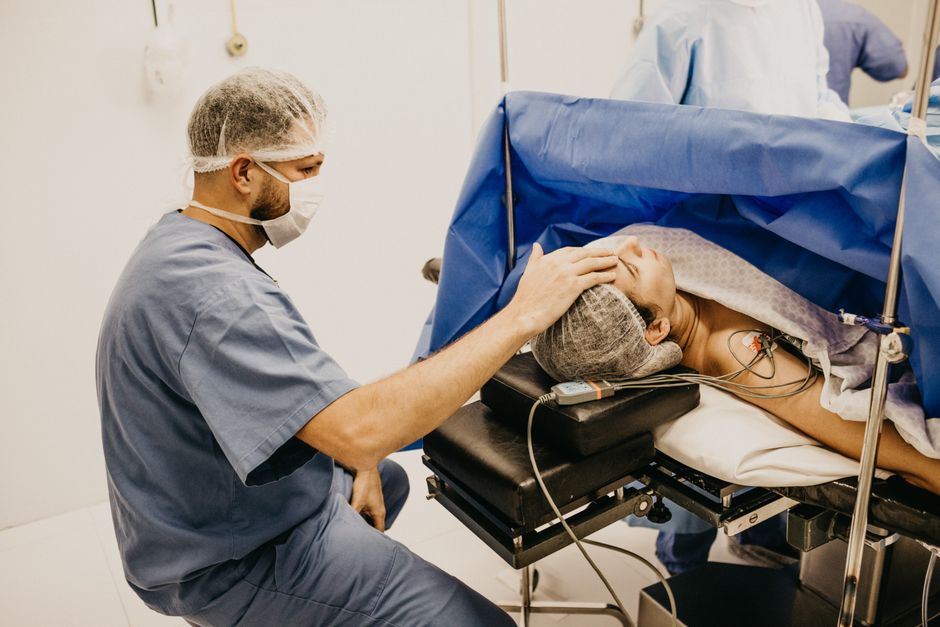
Treatment depends heavily on how early the contracture is caught and how severe it becomes.
Non-Surgical Management
Early contracture is often managed with physiotherapy, splinting, and scar massage, aimed at holding the healing tissue at its longest stretched length for as much of the day as possible. Compression garments are also commonly used alongside this. Done consistently and early, this can prevent a mild contracture from becoming a fixed one.
Surgical Release and Reconstruction
Where a contracture is already established, surgical release is usually needed. This can range from a relatively simple procedure to release the tight band, through to skin grafting or flap reconstruction where a significant area of tissue needs replacing. Recovery still depends on disciplined splinting and physiotherapy afterwards, surgery alone doesn’t guarantee the movement stays.
Why Contracture Is Assessed Separately From the Scar Itself
Where scarring crosses a joint, the loss of active range of movement is treated as a distinct head of loss rather than folded into the general cosmetic assessment of the scar. This distinction matters because it changes what evidence the claim actually needs.
A cosmetic scar assessment describes appearance, visibility, and permanence. A contracture assessment measures degrees of movement lost, compares that to the expected range for an uninjured joint, and considers what that loss actually means for the person’s daily life and work.
How Contracture Scarring Is Valued in a Claim
Contracture scarring is valued within the same Judicial College Guidelines framework used for scarring generally, but the functional loss is what tends to move a case significantly higher within its band, or into a category of its own depending on severity.
A joint that’s lost a meaningful proportion of its normal movement, particularly in a hand, wrist, or an area affecting mobility, carries more weight than the same scar without functional restriction. Where the loss affects someone’s ability to work in their existing occupation, that’s a further, separate head of loss on top of general damages for the injury itself.
Can Contracture Scarring Support a Negligence Claim

Contracture itself isn’t automatically evidence that something went wrong, it’s a recognised risk of any wound that crosses a joint, especially a burn. But there are circumstances where how it was managed can support a claim.
Early physiotherapy and splinting during the healing phase are what prevent a mild, early contracture from becoming fixed. Where that early management was clearly indicated and wasn’t provided, or wasn’t provided promptly enough, that gap can be assessed against what a reasonably competent team would have done in the same circumstances.
What Evidence Supports a Contracture Scarring Claim
A proper contracture report needs measured range of motion for the affected joint, compared against the expected normal range, not a general description such as “reduced movement.” Objective scarring assessment, using tools such as those referenced in our Vancouver Scar Scale explainer, supports the cosmetic side of the claim, while the functional loss needs its own separate measurement.
Treatment history matters too. A report should set out what’s already been done, physiotherapy, splinting, or surgical release, and give a realistic opinion on whether further treatment could improve the remaining movement, or whether the loss is likely to be permanent.
Frequently Asked Questions
What is a contracture scarring claim? A contracture scarring claim covers scarring that crosses a joint and restricts movement, assessed and valued separately from the cosmetic appearance of the scar itself. It typically requires evidence of measured range of motion, not just a description of how the scar looks.
Is contracture only caused by burns? No. Burns are the most common cause, particularly near joints such as the elbow, neck, or hand, but any deep wound or surgical incision that crosses a joint and heals under tension can develop into a contracture.
Can a contracture be treated without surgery? Sometimes, particularly if it’s caught early. Physiotherapy, splinting, and scar massage can prevent a developing contracture from becoming fixed. Once a contracture is established, surgical release is usually needed to restore movement.
Does contracture increase the value of a scarring claim? Generally, yes. Functional loss from a contracture is assessed as its own head of loss alongside the cosmetic assessment of the scar, and a joint that’s lost meaningful movement typically increases the overall value of the claim.
Can I claim if a contracture developed because early treatment wasn’t given? Possibly. Contracture itself isn’t automatically negligence, but if early physiotherapy or splinting was clearly indicated and wasn’t provided promptly, that gap in care can potentially support a separate claim.
Prof. Hindocha prepares CPR Part 35 compliant reports on contracture and other scarring for solicitors and insurers across England and Wales. Details of his scarring and burns expert witness services and how to instruct him are on the instruction page.
Related reading
- Keloid Scarring and Compensation
- What Is the Vancouver Scar Scale?
- Outcomes Following Upper Limb Injuries and Their Medicolegal Implications
This article is general information about contracture scarring and is not a substitute for legal or medical advice on a specific case.
Further reading:
- Scar tissue and contractures, initial stage — Chelsea and Westminster Hospital NHS Foundation Trust patient information
- Scar Contractures — Textbook on Scar Management, NCBI Bookshelf
- Scar contracture — Burns & Trauma journal, Oxford Academic